
Handheld Fish Finder Portable Fishing Kayak
4.2Editor score
Portable kayak compatible design
Accurate 200 kHz sonar
Battery powered operation
Finding the right equipment is essential for any angler looking to improve their catch rate. A cheap depth finder offers a budget-friendly way to locate fish and understand underwater terrain without breaking the bank. These devices use sonar technology to provide real-time data about water depth and fish locations.
We have carefully selected and compared ten of the most popular affordable units available today. Our analysis focuses on key performance metrics such as sonar frequency, display quality, and ease of installation. We also consider versatility across different fishing environments like kayaks, boats, and ice fishing scenarios.
Each pick in this list highlights specific strengths that cater to different fishing styles and budgets. You will find detailed reviews that break down what makes each model stand out from the competition. Please note that product availability and pricing can change frequently, so check current listings before purchasing.
4.2Editor score
4.6Editor score

4.5Editor score
As an Amazon Associate we earn from qualifying purchases.
The following comparison table provides a side-by-side overview of all ten selected depth finders. Each entry includes key specifications and direct links to product details to help you make an informed decision quickly.
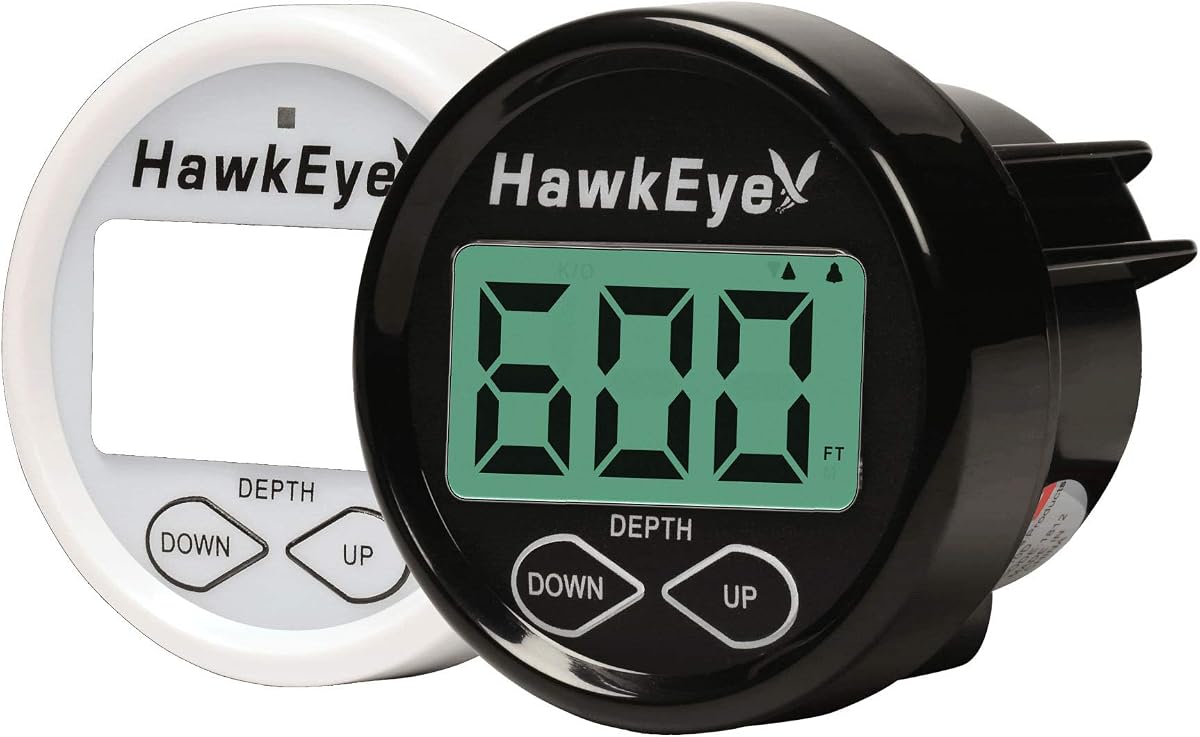


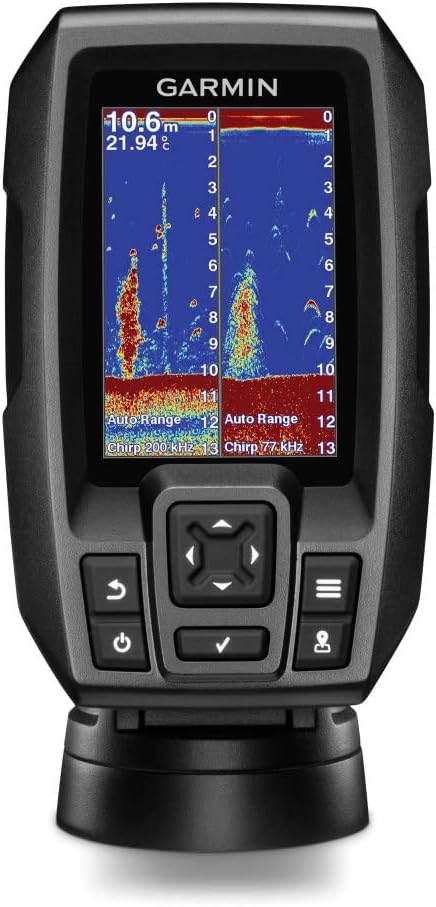
The Garmin Striker 4 stands out as a top contender in the affordable depth finder category with its robust feature set. Rated highly by users for its clarity and ease of use, this model brings professional-grade sonar technology to budget-conscious anglers. Its compact size makes it ideal for small boats and kayaks without sacrificing performance.
We may earn a commission when you buy through this link, at no additional cost to you.
Key strengths include the ClearVu scanning sonar which provides near-photographic images of underwater structures and fish. The Chirp sonar ensures crisp fish arches and better target separation than traditional sonars. Additionally, the built-in GPS allows you to mark waypoints for brush piles and docks easily. The unit is water rated IPX7 for protection against splashes.
While the 3.5-inch display might feel small to some, it remains highly visible and functional. The interface uses dedicated buttons which simplifies operation while on the water. Some users may need an external battery setup for extended trips since the power draw is modest but continuous. These trade-offs are acceptable given the price point.
This device is perfect for anglers who want GPS functionality without paying premium prices. Whether you are fishing for bass or trout, the reliable sonar performance will help you locate structure effectively. We recommend it as the best overall choice for those seeking a balance of features and affordability in 2026.
The ClearVu technology offers detailed representations of objects and fish which helps in identifying specific target areas effectively.
Marking locations like docks and stumps allows you to return to productive fishing spots with precision and ease.
We may earn a commission when you buy through this link, at no additional cost to you.
For anglers on a tight budget, this handheld fish finder offers essential sonar functionality without unnecessary frills. It performs well for casual fishing trips and is particularly popular among kayak enthusiasts who need a lightweight solution. The unit runs on standard AAA batteries which makes power management simple during outdoor adventures.
We may earn a commission when you buy through this link, at no additional cost to you.
Its primary strength lies in its simplicity and portability. You can toss the transducer in the water and get immediate depth readings and fish locations. The 200 kHz frequency provides decent resolution for detecting fish schools and structure. It features sensitivity settings to adapt to clear or turbid water conditions effectively.
The display is functional but lacks the high resolution of more expensive models. In bright sunlight, viewing angles can be challenging without sunglasses despite the backlight. The battery life is respectable for its size but frequent trips might require carrying spares. These limitations are minor for the price point.
This model is an excellent starter device for new fishermen or those with smaller vessels. It proves you do not need to spend a lot to get useful sonar data. We highly recommend this for budget shoppers looking for reliable entry-level performance in freshwater or saltwater environments.
The neck strap feature allows you to keep the device secure while handling gear on a moving kayak.
Running on four AAA batteries ensures you can easily replace power sources when you are away from home.
We may earn a commission when you buy through this link, at no additional cost to you.
The LUCKY Wireless MT202 represents a significant step up with its wireless connectivity and rechargeable power system. It offers freedom from cables allowing you to cast the sensor far from your kayak or boat for remote scouting. The long operation distance ensures you can explore deep channels without leaving shore easily.
We may earn a commission when you buy through this link, at no additional cost to you.
Its standout feature is the massive 853 feet operation distance which is rare in this class. The rechargeable battery eliminates the need for disposable cells which saves money over time. The screen scrolls right to left providing a continuous history of what passes under the sensor. Fish icons show exact depth for precise targeting.
While the price is higher than basic models, the convenience of wireless operation justifies the investment. The sensor is floatable so it will not sink if you cast it away. Recharging requires planning ahead but the battery life is sufficient for full days of use. These factors make it a premium option.
This device is ideal for serious anglers who value convenience and range. It transforms how you fish by letting you reach spots that were previously inaccessible. We suggest this model for those ready to upgrade to a more modern and flexible fishing technology solution today.
Tying the sensor to your line allows you to target specific structures without drilling or mounting hardware.
The unit works for ice fishing and summer trips without needing seasonal adjustments or specialized parts.
We may earn a commission when you buy through this link, at no additional cost to you.
The DepthTrax 2B is designed specifically for permanent installation on boats with a dash mount configuration. It offers a large display that is easy to read even at high speeds up to sixty miles per hour. This model focuses on delivering uninterrupted depth readings which is crucial for navigation safety.
We may earn a commission when you buy through this link, at no additional cost to you.
Its warning system is a key benefit including an audible alarm and LED light for shallow water alerts. The algorithmic programming reduces false readings significantly ensuring you trust the data presented. The polarized LCD allows for spot free viewing without glare which is common on open water days.
Installation does require drilling into the dashboard which may not be suitable for all vessels. The transducer mounts via glue or screws depending on your hull material. While it lacks GPS this unit excels at raw depth performance and simplicity. These trade-offs are acceptable for those focused purely on depth tracking.
This device is best suited for small boats where a permanent display is desired. It provides reliable data for safe navigation and fishing without complex features. We recommend it for anglers who prioritize clear depth information over advanced mapping capabilities.
The large display ensures you can see readings clearly even when wearing sunglasses or in bright sun.
The three stage warning system helps prevent accidental grounding in shallow water by alerting you early.
We may earn a commission when you buy through this link, at no additional cost to you.
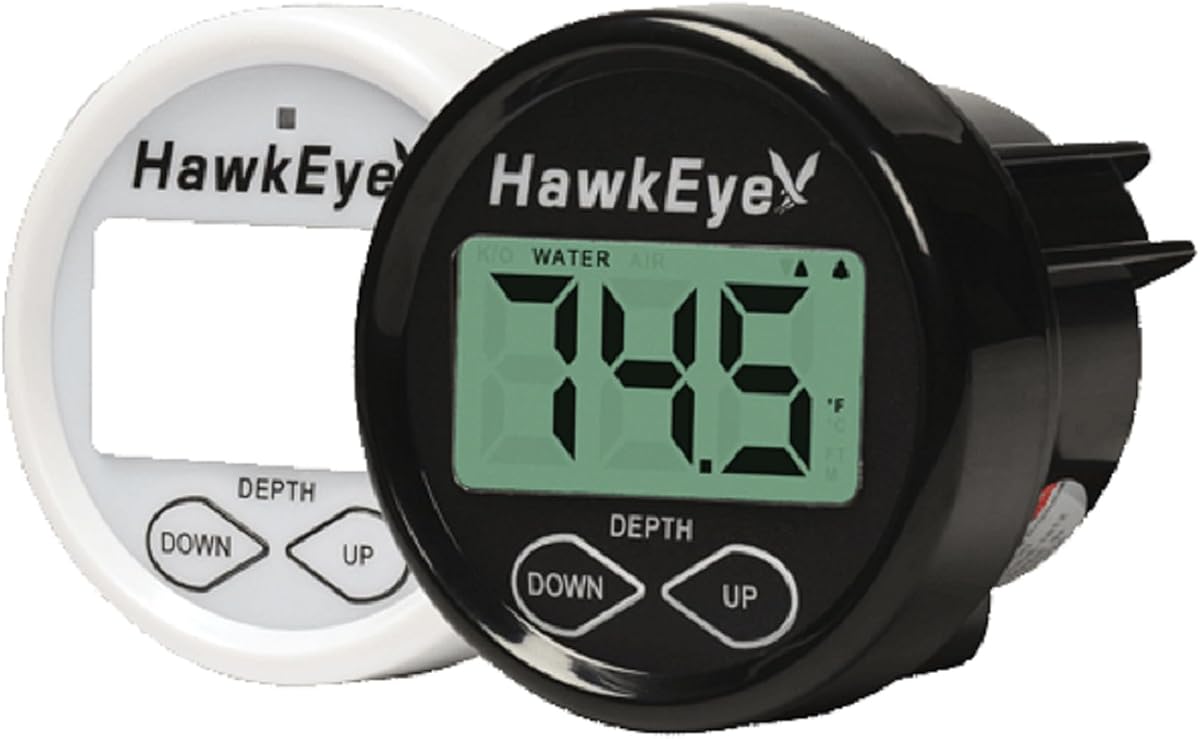
The HawkEye DT2BX TM stands out by including air and water temperature readings which are vital for fishing strategy. This depth sounder integrates seamlessly into a boat dash with a flush mount design that looks professional. It delivers reliable depth data alongside temperature info to help you understand fish behavior patterns.
We may earn a commission when you buy through this link, at no additional cost to you.
Temperature readings can be switched between Fahrenheit and Celsius easily on the soft glow display. The polarized LCD ensures no glare which is essential during early morning or late evening outings. The included transom mount transducer is easy to set up and provides accurate readings up to six hundred feet deep.
The interface is straightforward with a one-touch alarm muting feature for convenience. While it does not offer advanced scanning it focuses on core functionality that works reliably. The build quality is solid and designed for durability in marine environments. These features make it a strong choice for dedicated boat owners.
This device is recommended for those who track temperature as part of their routine. It balances cost and functionality well for typical freshwater or saltwater fishing. We suggest it if you want a clean install with temperature data without paying for high end features.
Monitoring water temperature helps you predict fish location since species often move to warmer or cooler layers.
The flush mount design allows you to customize your dash without cluttering the space with bulky gear.
We may earn a commission when you buy through this link, at no additional cost to you.
The Lowrance Eagle Fish Finder delivers a high quality viewing experience with its 4 inch IPS portrait screen. This screen remains clear in bright sunlight and offers wide viewing angles which is essential for quick glances while fishing. The unit is designed to minimize adjustments so you can focus more on catching fish.
We may earn a commission when you buy through this link, at no additional cost to you.
Its Auto-Tuning Sonar automatically optimizes settings for your current water conditions. This reduces the need for manual tweaking and ensures consistent performance across different depths. The included Bullet Skimmer provides a broad beam which covers more area below your boat effectively. The twist lock connector makes installation a breeze.
While the display is excellent, additional map features may require purchasing C-map options separately. The portrait orientation fits well in tight spaces but limits horizontal data display. These constraints are minor compared to the visual clarity and usability of the unit. It remains a top choice for clarity focused anglers.
This model is perfect for those who want a crisp screen without complex menus. It works well for small boats and kayaks where space is limited. We recommend it for users prioritizing visual performance and ease of use in their gear setup.
The IPS panel ensures you can see fish icons and depths clearly even when the sun is at a harsh angle.
Auto tuning removes guesswork by adjusting sonar settings to match the water environment automatically.
We may earn a commission when you buy through this link, at no additional cost to you.
The Humminbird PiranhaMAX 4 is a classic unit known for its durable design and dependable sonar performance. It features dual beam sonar which lets you choose between narrow detailed views and wide coverage. This flexibility helps in identifying fish and structure effectively in various water conditions.
We may earn a commission when you buy through this link, at no additional cost to you.
The tilt and swivel mount allows quick adjustment of the viewing angle for better visibility. It comes with a transom mount transducer which is simple to attach to your vessel. The unit is compact making it ideal for smaller setups where space is at a premium on the deck.
While it lacks GPS mapping the focus on sonar quality remains strong. The readings are crisp and provide good target separation. Users appreciate the simple interface which avoids overwhelming new anglers with features. These benefits make it a solid choice for those needing focused depth data.
This device is recommended for anglers who trust legacy brands and want consistent sonar results. It is great for freshwater fishing where structure identification is key. We suggest it for buyers looking for a reliable workhorse without unnecessary complexity.
Choosing between narrow and wide beams helps you balance detail with coverage based on the current water depth.
The adjustable mount ensures you can find a comfortable viewing position regardless of boat angle or seating.
We may earn a commission when you buy through this link, at no additional cost to you.
This portable depth finder is built for versatility across ice fishing and boat scenarios. It provides a contour readout which helps visualize underwater structure more clearly than standard depth bars. The device also includes a temperature display to help adjust bait depth based on conditions.
We may earn a commission when you buy through this link, at no additional cost to you.
Its water resistant construction means it can handle splashes or accidental drops. A unique feature is the lure fish lamp which attracts light sensitive fish in dark water. The unit is lightweight and easy to hold for long periods while jigging. This makes it highly portable for spontaneous trips.
The screen is small and might require glasses to read fine text. Battery life is limited so carrying spares is recommended for full days. The lamp function may not work for all species but adds value in specific scenarios. These trade-offs are acceptable for the price.
This model is best for anglers who fish ice and small boats interchangeably. It offers unique contour and lamp features that stand out in the budget category. We recommend it for those seeking a versatile all-in-one portable solution.
Viewing the bottom shape helps you target drop-offs and humps where fish are likely to hide.
The built-in lamp can draw in curious fish to your area increasing the chances of a strike.
We may earn a commission when you buy through this link, at no additional cost to you.
The Hawkeye DT1H is a simple handheld unit that prioritizes temperature tracking and basic depth readings. It is small enough to fit in a pocket and easy to use without a complex setup. The temperature sensor is accurate and helps you make informed decisions about bait depth.
We may earn a commission when you buy through this link, at no additional cost to you.
Its portability makes it ideal for wade fishing or quick checks from the shore. You can toss the transducer in and get instant feedback on the environment. The unit is rugged enough for casual use and does not require any mounting hardware. It keeps things straightforward for anglers who want simplicity.
The depth limit is around three hundred feet which may be insufficient for deep lakes. The display is small but sufficient for reading the main numbers in the sun. Battery replacement is simple but requires keeping spare cells handy. These limitations are minor for the intended use case.
This device is recommended for casual anglers who do not need advanced mapping. It is a great backup unit to have in your tackle box. We suggest it for those needing a reliable handheld temperature and depth checker.
The compact design ensures you can carry it anywhere without adding weight to your gear bag.
Accurate water temperature helps you understand fish activity levels since they are sensitive to thermal changes.
We may earn a commission when you buy through this link, at no additional cost to you.
The LUCKY FFC1108 is designed for simplicity and portability making it a favorite for kayak anglers. You can cast the transducer from shore or boat to get readings without drilling. The unit displays fish locations and depth clearly on a backlight LCD which aids night fishing.
We may earn a commission when you buy through this link, at no additional cost to you.
Its sensitivity adjustment helps filter out noise in turbid water. The measurement unit can be switched between feet and meters which adds convenience. The neck strap keeps the device secure while you cast or retrieve line. It is a versatile tool for shore and ice fishing as well.
While it lacks GPS it covers the essentials for finding fish effectively. The battery life is decent but carrying spares ensures you do not get caught mid trip. The build is sturdy enough to handle drops but requires care. These factors make it a solid choice for the price.
This model is ideal for anglers who need a castable solution for diverse fishing styles. It balances ease of use with practical features. We recommend it for buyers looking for a versatile portable unit.
Being able to cast the sensor allows you to explore areas unreachable from the kayak without mounting gear.
Adjustable sensitivity ensures you can reduce false alarms in rough water or weed heavy areas.
We may earn a commission when you buy through this link, at no additional cost to you.
Choosing the right depth finder requires understanding your specific needs and the environments where you fish. This guide covers essential factors to consider before purchasing an affordable unit.
The frequency of the sonar determines the level of detail you see on the screen. Higher frequencies like 200 kHz offer better detail for shallow water but may not penetrate deep depths well. Lower frequencies are better for deep water but provide less resolution. For most casual anglers, a standard 200 kHz transducer is sufficient for freshwater fishing.
A clear display is crucial for reading data in bright sunlight. Look for models with backlighting or polarized LCDs to ensure visibility. IPS screens generally offer better viewing angles than standard LCDs. If you fish during dawn or dusk, a display with a backlight will be essential for reading depths accurately.
Decide whether you need a handheld portable unit or a permanent dash mount. Handheld units are versatile for kayaks and shore fishing but require manual handling. Dash mounts offer a professional look and steady readings but require drilling into the boat. Consider your vessel type and how often you switch boats.
Check the maximum depth the unit can measure to ensure it matches your fishing spots. Shallow lake anglers might only need a few hundred feet while deep sea fishing requires more capacity. Most budget models offer a range of 300 to 600 feet which covers most inland waterways effectively.
Since fishing involves water splashes a water resistant design is important. Look for ratings like IPX7 which indicate protection against immersion. A durable housing prevents damage from accidental drops or waves. This ensures your device lasts longer and remains reliable in wet conditions.
Understand how the unit is powered to plan your trips. Some devices run on disposable batteries like AAA which are easy to replace. Others use rechargeable batteries which save money over time but need charging before use. Consider the battery life to ensure it lasts through your typical fishing session.
Some models require permanent installation with drilling and wiring while others are plug and play. If you prefer not to modify your boat look for clamp or magnetic mounts. Transducer mounting can also vary between screw or glue-in options. Choose an option that fits your comfort with boat maintenance.
Extra features like temperature sensors or fish alarms add value to the unit. A temperature readout helps track fish behavior and bait depth effectively. Fish alarms can alert you to activity so you focus on fishing. Evaluate if these extras justify the cost difference for your specific needs.
Start by attaching the transducer securely to the hull or mounting it on a pole. Ensure there is no air gap between the transducer and the water for accurate readings. For handheld units simply throw the sensor into the water and wait a few seconds for the display to stabilize.
Turn on the device and adjust the sensitivity setting based on water conditions. In clear water, you can lower sensitivity to reduce noise while in murky water, increase it to detect structure. Use the backlight feature when fishing in low light conditions to see the screen clearly.
After use, rinse the transducer and display with fresh water to remove salt or debris. Store the unit in a dry place to prevent moisture damage to electronic components. Remove batteries if the unit will not be used for an extended period to avoid leakage.
Yes, most budget depth finders work in both freshwater and saltwater environments. Ensure the unit has a water resistant rating like IPX7 to protect it from splashes. If you frequently fish in saltwater, rinse the transducer thoroughly with fresh water after every trip.
A depth finder primarily measures water depth while a fish finder uses sonar to detect fish and structure. Many modern units combine both features offering depth and fish location data. For affordable models, you can expect both functionalities to be included in the device.
For kayaks, a through-hull or transom mount is common. Use a bracket that allows the transducer to stay submerged without dragging. Ensure the cable is not tight when paddling. If drilling is not an option, use a temporary mounting strap or a pole setup.
False readings can occur due to improper sensitivity settings or debris on the transducer. Adjust the sensitivity to filter out noise and clean the transducer face. Turbid water can also cause fluctuations so look for consistent patterns over time.
Yes, many handheld depth finders are designed for ice fishing. They work by placing the transducer through a hole in the ice. Look for a model with an adjustable sensitivity setting to handle the narrow hole environment effectively.
Battery life varies by model but typically ranges from 5 to 10 hours of continuous use. Disposable battery units allow quick replacement while rechargeable models offer convenience. Check the product specs for specific run times to plan accordingly.
GPS is not necessary for basic depth tracking but helps mark fishing spots. If you frequently return to specific locations a GPS feature adds value. Many affordable units like the Garmin Striker include GPS without raising the price significantly.
This roundup highlights ten excellent options for anglers seeking affordable technology. The Garmin Striker 4 leads with its GPS and sonar balance while the LUCKY Wireless offers premium features for a budget price. Each model serves different needs from kayak portability to dash mounting.
Prioritize display quality and sonar clarity to ensure reliable data on the water. Consider your primary fishing location to determine if a portable or fixed unit is better. The right depth finder can significantly improve your catch rate by helping you locate structure.
Remember that prices and availability fluctuate frequently so check current listings before buying. Investing in a reliable unit today will save you money and frustration in the long run. Good luck with your next fishing trip and happy angling.