
Canon EF 100-400mm f/4.5-5.6L IS USM Lens + Kit
4.0Editor score
L-series optical quality
Advanced optical stabilization
Compatible with teleconverters
This expert guide compares the top ten Camera Lens for Long Distance Wildlife based on optical performance, autofocus speed, stabilization, and value for
Choosing the right Camera Lens for Long Distance Wildlife is essential for capturing sharp, detailed images of animals in their natural habitats without disturbing them. Professional photographers and enthusiasts alike need equipment that balances reach, clarity, and reliability to ensure successful shots in challenging outdoor conditions.
We compared ten leading options by analyzing their focal ranges, stabilization systems, autofocus mechanisms, and overall build quality. Our evaluation focuses on how well each lens performs in real-world wildlife scenarios, ensuring you find a tool that meets your specific photographic needs and budget constraints.
Each pick highlights key strengths and potential trade-offs to help you make an informed decision. Prices and availability can change frequently, so verify current details before purchasing to ensure you get the best value and performance for your wildlife photography adventures.
4.0Editor score
4.7Editor score
4.0Editor score
The following comparison table presents key specifications and features for all ten lenses to help you quickly identify the right tool for your wildlife photography needs.



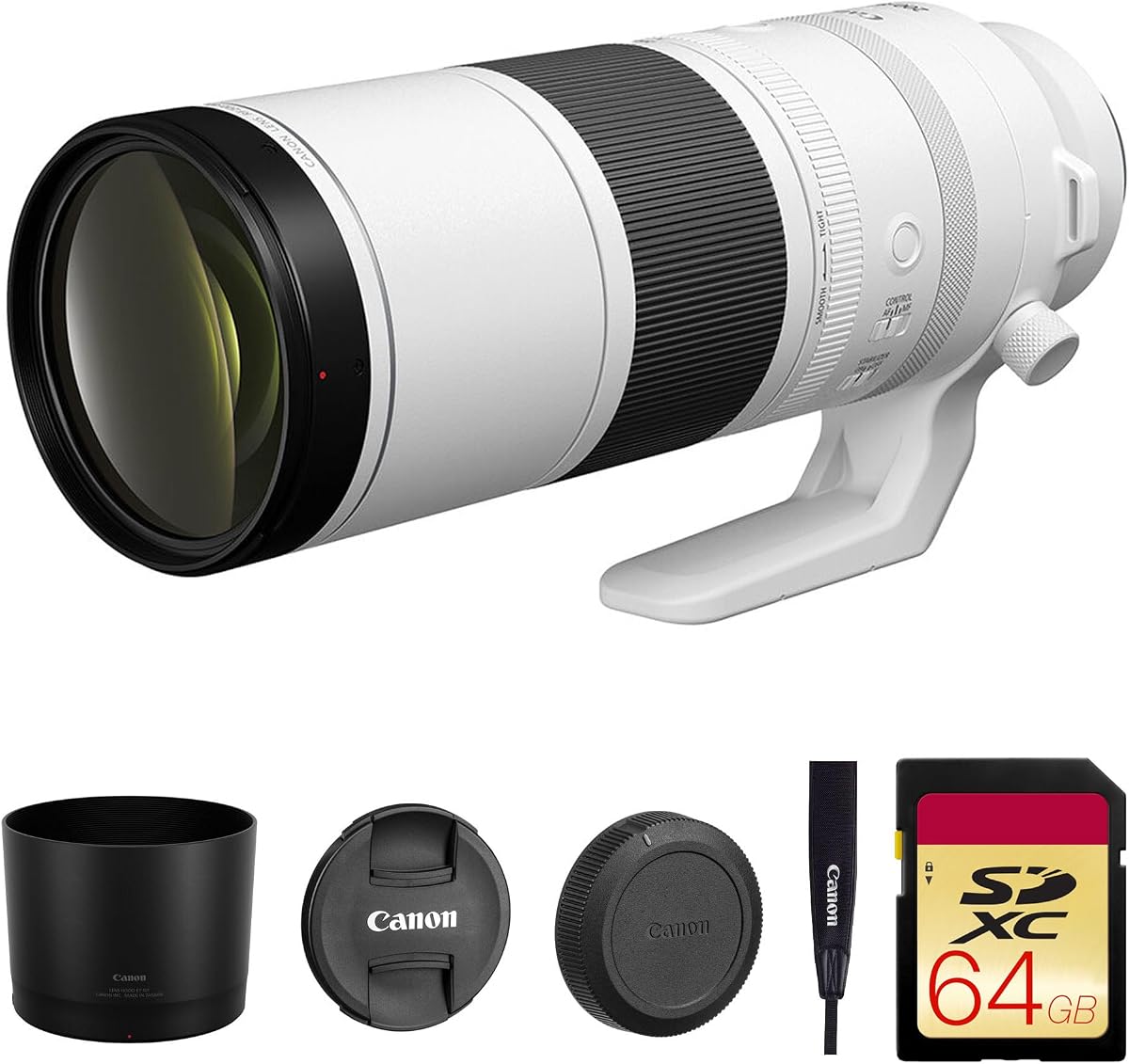
The Canon RF 200-800mm Bundle offers unmatched flexibility for wildlife photographers seeking extreme reach. With a rating of 4.7 stars, it stands out as a top choice for those needing to capture distant subjects clearly.
We may earn a commission when you buy through this link, at no additional cost to you.
Its built-in image stabilization allows for sharp handheld shots even at full 800mm zoom, which is crucial when tripods are impractical. The advanced USM autofocus ensures you track moving animals quickly and quietly without disturbing them.
While the fixed aperture becomes smaller at longer focal lengths, the lens compensates with high optical quality that maintains clarity throughout the zoom range. This trade-off is acceptable for the convenience of a single lens solution.
Ideal for serious wildlife enthusiasts and pros, this lens delivers reliable performance in the field. It is highly recommended for anyone prioritizing range and stability in their photography toolkit.
The integrated stabilization system minimizes shake, enabling crisp images without external support in dynamic outdoor environments.
Covering 200mm to 800mm, this lens adapts to various subjects from birds to large mammals with minimal gear changes.
We may earn a commission when you buy through this link, at no additional cost to you.
This lens sets a new standard as the world's first autofocus super-telephoto zoom reaching 800mm. Its optimized optical design ensures consistent quality across the entire range for wildlife photography.
We may earn a commission when you buy through this link, at no additional cost to you.
The lightweight and compact design makes it easier to carry on long hikes compared to traditional telephotos. Users appreciate the comfort it provides during extended handheld sessions.
Compatibility with RF extenders adds flexibility, allowing users to push reach even further when needed. However, this lens is strictly for RF mount cameras, limiting its use to mirrorless users.
For Canon mirrorless shooters, this is a powerful tool that balances reach and usability. It is an excellent choice for those transitioning to RF systems or upgrading their wildlife gear.
The autofocus system is tailored for fast-moving subjects, ensuring reliable tracking even at extreme focal lengths.
Extender compatibility means you can adapt this lens as your needs grow without buying a new optic.
We may earn a commission when you buy through this link, at no additional cost to you.
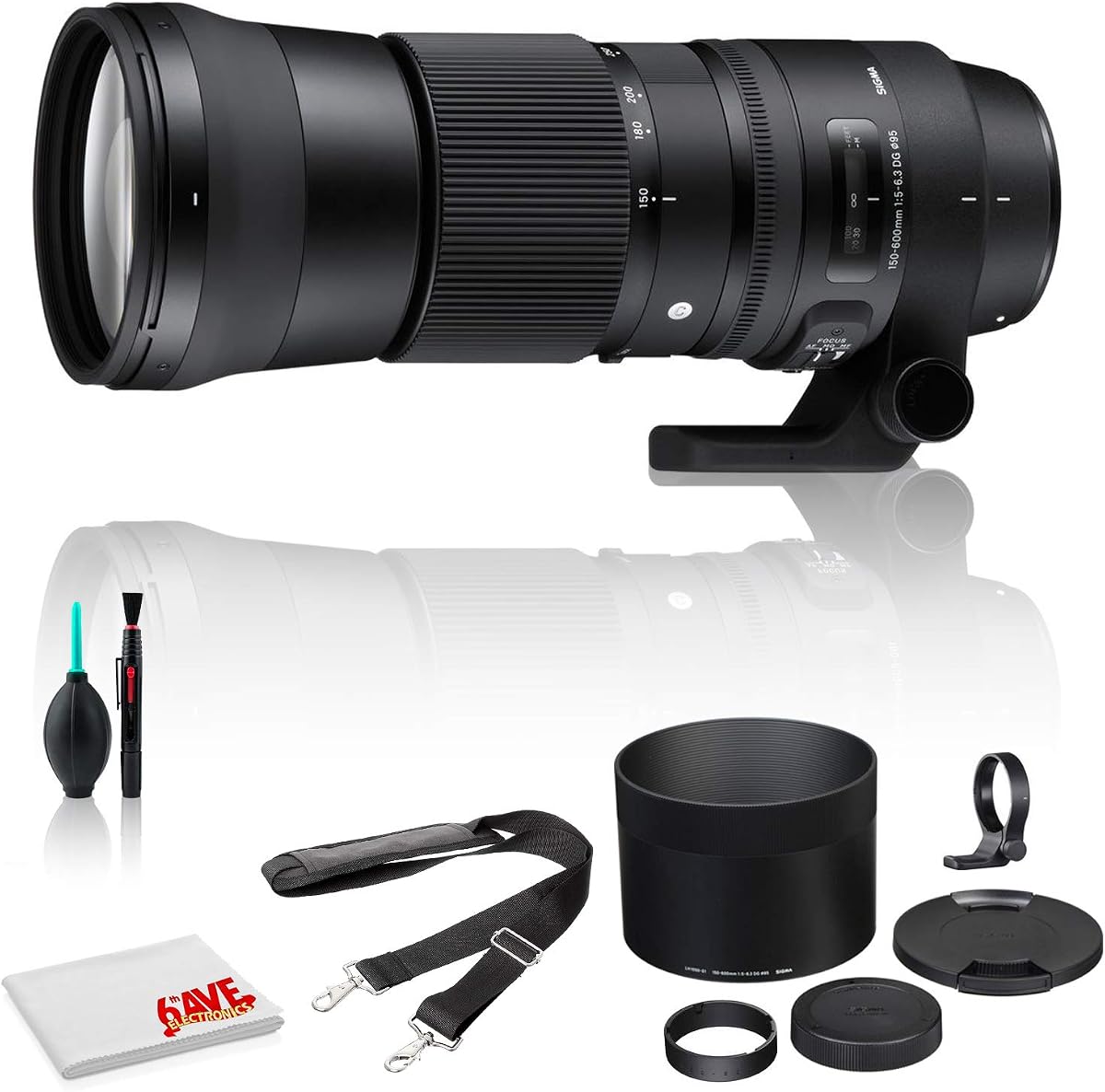
Sigma delivers a robust option for Canon DSLR users with this 150-600mm lens. It offers a solid focal range that covers most wildlife scenarios effectively while maintaining good optical performance.
We may earn a commission when you buy through this link, at no additional cost to you.
The included cleaning kit adds value, making it convenient for field maintenance. The Hyper Sonic Motor provides responsive autofocus, which is critical when capturing fast animals.
While the weight might be a concern for long treks, the build quality is durable for outdoor use. The variable aperture is standard for this class but can limit low-light performance at 600mm.
This lens is a great value for DSLR owners wanting extensive reach without breaking the bank. It is well-suited for photographers who prioritize focal length over extreme speed.
The built-in stabilizer counteracts camera movement, allowing for sharper images in challenging lighting or wind conditions.
Getting a cleaning kit included saves time and money, ensuring your equipment stays in top condition.
We may earn a commission when you buy through this link, at no additional cost to you.
For beginners or those on a tight budget, this lens provides incredible reach at a fraction of the cost of premium options. It is an excellent starting point for wildlife photography.
We may earn a commission when you buy through this link, at no additional cost to you.
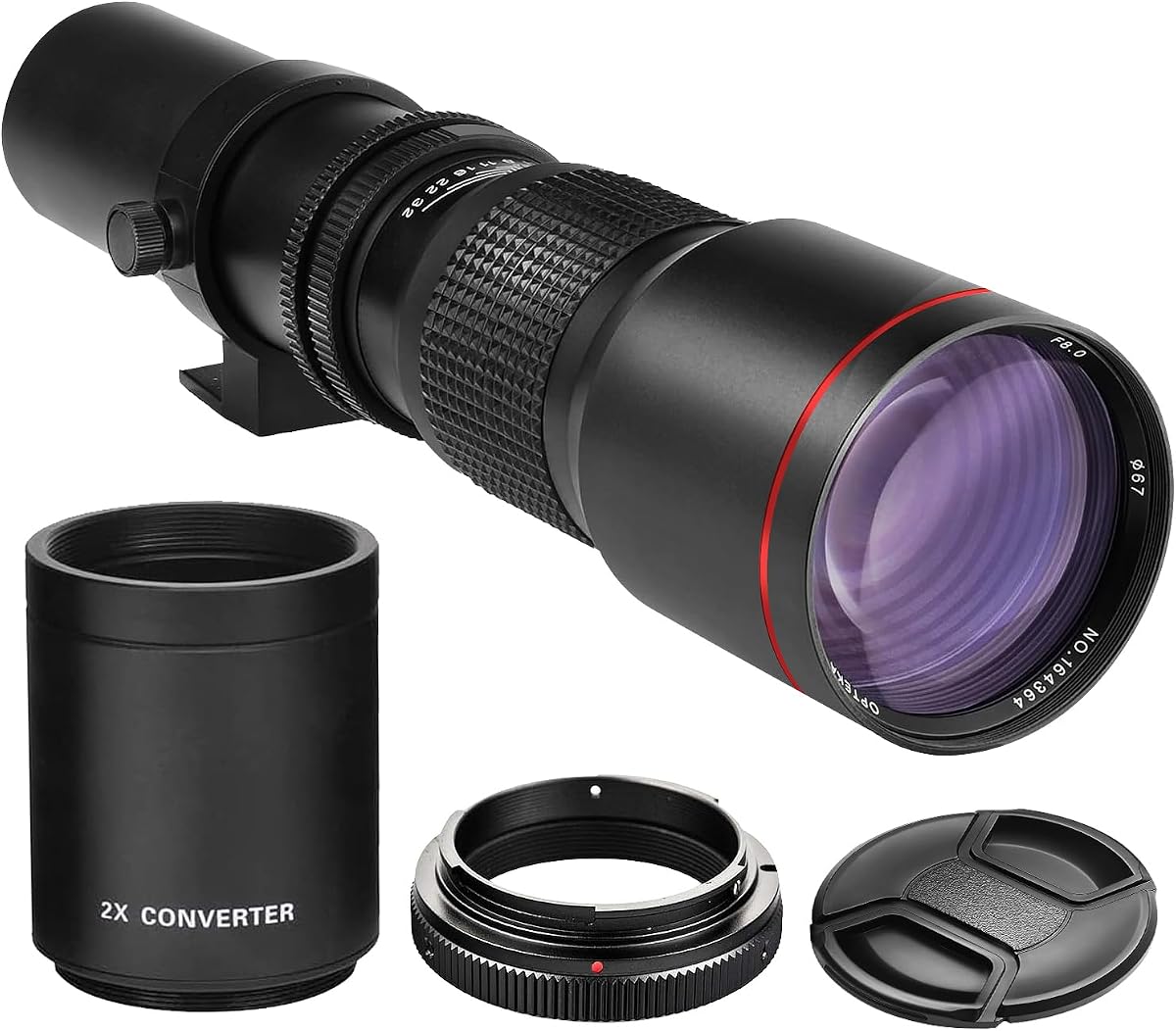
The manual focus allows you to fine-tune shots with precision, though it requires patience and practice. The teleconverter option extends reach to 1000mm, bringing distant subjects closer.
Build quality is sturdy enough for outdoor adventures, ensuring longevity. However, the lack of autofocus can be a hindrance in fast-paced situations where timing is critical.
This lens is best for patient photographers who value reach over speed. It is a practical choice for learning telephoto techniques without a large financial commitment.
Achieve long-distance results without investing in expensive optics, making wildlife photography accessible to more people.
Take full control over your focus point, which can lead to creative compositions when working with static subjects.
We may earn a commission when you buy through this link, at no additional cost to you.
This L-series lens represents Canon's professional standard with exceptional optical quality and durable construction. It is a trusted choice for those requiring reliable performance in demanding conditions.
We may earn a commission when you buy through this link, at no additional cost to you.
The optical stabilization significantly reduces camera shake, improving handheld shooting capabilities. The ring-type USM autofocus is both fast and quiet, ideal for capturing shy wildlife.
While the max focal length is 400mm, compatibility with extenders allows for greater reach when needed. The rotating tripod collar adds convenience for portrait and landscape orientations.
Investing in this lens ensures longevity and top-tier image quality. It is perfect for professional photographers or enthusiasts who prioritize sharpness and reliability over maximum zoom.
Designed to withstand harsh environments, this lens offers weather resistance and durability for serious field use.
Multiple stabilization settings help adapt to different shooting scenarios, ensuring sharper images across various conditions.
We may earn a commission when you buy through this link, at no additional cost to you.
For those needing extreme magnification, this lens pushes boundaries with a maximum reach of 1600mm. It is designed for photographers who need to bridge vast distances in nature.
We may earn a commission when you buy through this link, at no additional cost to you.
The included teleconverter doubles the effective power, providing versatility in the field. However, the weight and bulk can be challenging for extended use without support.
Manual focus requires skill and steady hands, especially at maximum zoom. The aperture limits low-light performance, making it best suited for bright outdoor conditions.
This lens is a niche tool for specific needs like distant birding or landscape detail. It offers impressive reach for the price but demands patience from the user.
Capture details from impossible distances that other lenses simply cannot reach without cropping or losing resolution.
The included converter allows you to adjust focal length quickly without swapping lenses, keeping you ready for changing scenes.
We may earn a commission when you buy through this link, at no additional cost to you.
This lens is perfect for RF mirrorless users seeking portability without sacrificing image quality. Its compact design makes it easy to carry on long trips.
We may earn a commission when you buy through this link, at no additional cost to you.
When paired with IBIS, it offers up to 6 stops of stabilization, enhancing handheld capabilities. The Nano USM provides smooth and precise autofocus for dynamic subjects.
While not the longest reaching option, 400mm covers many common wildlife scenarios. The variable aperture at long end may require higher ISO in low light.
Best for travelers and casual shooters, this lens balances performance and weight. It is a smart choice for those prioritizing mobility in their photography setup.
Its small footprint means you can keep it on the camera longer without fatigue, ensuring you never miss a moment.
Working with in-body stabilization, this lens maximizes shake reduction, making handheld shooting more reliable than ever.
We may earn a commission when you buy through this link, at no additional cost to you.
This classic lens offers a simple and affordable way to add telephoto capability to a Canon DSLR. Its lightweight nature makes it friendly for beginners and casual use.
We may earn a commission when you buy through this link, at no additional cost to you.
The zoom mechanism is smooth, providing a pleasant user experience during operation. At 300mm, it can frame closer wildlife but struggles with distance.
Lacking image stabilization means you need a fast shutter speed for sharp images. Optical performance is adequate for general use but may lack sharpness at max zoom.
It is a good secondary lens for occasional wildlife shots. Users should prioritize good lighting to compensate for the lack of advanced features.
An affordable way to start learning telephoto composition without a significant financial investment.
The simple design and light weight make it ideal for learning camera handling without heavy gear.
We may earn a commission when you buy through this link, at no additional cost to you.
Nikon users benefit from this versatile zoom that covers a broad range of wildlife scenarios. The bundle adds value with essential accessories for field work.
We may earn a commission when you buy through this link, at no additional cost to you.
The Silent Wave Motor ensures fast and accurate focus, crucial for moving animals. VR stabilization minimizes shake, helping maintain clarity in various conditions.
Weighing more than compact options, it may require support for long sessions. However, the optical quality is robust enough to produce professional-grade results.
Best for dedicated Nikon shooters, this lens balances reach and performance well. It is a solid choice for those wanting a single versatile lens for nature photography.
The motor operates silently, preventing disturbance to wildlife while ensuring rapid subject acquisition.
Included filters and cleaning tools provide everything needed to start shooting immediately without extra purchases.
We may earn a commission when you buy through this link, at no additional cost to you.
This renewed version offers the same functionality as the original at a reduced cost. It is a great option for budget-conscious buyers who want reliability.
We may earn a commission when you buy through this link, at no additional cost to you.
As a renewed product, it undergoes testing to ensure performance standards are met. The DC autofocus motor provides consistent operation for standard shooting needs.
While it lacks advanced features like stabilization, it performs well in good light. Buyers can expect typical Canon optical quality within its range limitations.
Ideal for beginners or those upgrading from kit lenses, it provides a practical step into telephoto. It is a cost-effective way to test the field without high risk.
Gain access to telephoto capabilities without the full price of a new lens, maximizing your investment value.
Renewed items are inspected and tested, ensuring you receive a product that functions correctly right out of the box.
We may earn a commission when you buy through this link, at no additional cost to you.
Selecting the right lens involves balancing several key factors to ensure it meets your specific wildlife photography needs.
The focal length determines how close you can get to distant subjects. For wildlife, 400mm or more is typically recommended to safely frame animals without disturbing them.
Prioritize lenses with longer reach if your subjects are small or far away, but remember that higher numbers often mean larger and heavier optics.
A wider aperture allows more light to reach the sensor, which is beneficial in low-light conditions like dawn and dusk when wildlife is active.
Consider lenses with fixed apertures if shooting in varying light, though variable apertures offer lighter weight and lower costs for general use.
Stabilization technology helps reduce camera shake, allowing for sharper handheld shots at longer focal lengths. This feature is crucial when tripods are not practical in the field.
Look for lenses with multiple stabilization modes to adapt to different shooting scenarios, ensuring clearer images even with minor movements.
Fast autofocus ensures you capture moving animals with precision. Advanced motors like USM or Wave Motor provide rapid tracking and silence to avoid disturbing wildlife.
Choose lenses with quiet autofocus systems to maintain a natural environment while still ensuring critical sharpness on your subject.
Ensure the lens is compatible with your camera body mount system. Mirrorless systems require specific lenses different from DSLR ones.
Confirm mount compatibility before purchasing to avoid the need for expensive adapters that may affect image quality or performance.
Longer lenses tend to be heavier, which can impact your ability to hike with gear all day. Balance reach with portability based on your typical shooting conditions.
Consider the physical size if you plan to shoot handheld; lighter options reduce fatigue during extended sessions.
Outdoor photography exposes gear to dust, moisture, and rough handling. Lenses with robust build quality and weather sealing are more durable in these environments.
Investing in a well-constructed lens ensures it withstands the rigors of field use without compromising performance.
Many products come with accessories like filters, cleaning kits, or memory cards that add value to the purchase. Evaluate what is included before comparing standalone prices.
Bundles can save money upfront and provide essential tools immediately, simplifying the setup process for new users.
Always start by securing the lens to your camera mount properly to prevent damage or misalignment. Check that all locking mechanisms are tightened before heading into the field.
When shooting wildlife, practice patience and smooth movements to avoid startling animals. Use stabilization settings if available to ensure sharp images while tracking moving subjects.
After each session, clean the lens gently with a soft brush and microfiber cloth to remove dust or moisture. Store it in a dry, padded case to protect optics from impact or scratches.
A focal length of at least 400mm is generally recommended for wildlife to capture distant subjects without intrusion. Longer options like 600mm or 800mm provide more reach but are heavier and costlier.
Image stabilization is highly recommended for telephoto lenses to minimize camera shake during handheld shooting. It allows for sharper images and more flexibility when tripods are unavailable.
Yes, but typically requires an adapter specific to your mount system. Check compatibility to ensure autofocus and stabilization features function correctly with the new body.
Use a weather-sealed lens case and lens hood to protect from elements. Keep a microfiber cloth handy to wipe off dust or condensation between shots to maintain clarity.
Manual lenses are suitable if you have steady hands and time to focus. They are cost-effective but may be slower for fast-moving subjects compared to autofocus options.
Telephoto lenses require careful handling to avoid scratching front elements. Store them upright in a padded bag and avoid touching glass directly to prevent smudges or damage.
Essential accessories include a sturdy tripod, extra memory cards, cleaning kits, and UV filters. These items support stability, storage, and lens protection during outdoor use.
A wider aperture allows faster shutter speeds and better low-light performance, crucial for capturing action at dawn or dusk. It also provides shallow depth of field to isolate subjects.
Choosing the right lens involves weighing reach, stability, and budget against your specific wildlife photography goals. Each of the ten options offers distinct advantages tailored to different needs.
Prioritize features like autofocus speed and stabilization if you shoot moving animals frequently. For static or distant subjects, manual or budget options may suffice without compromising results.
Always verify current pricing and availability as these values fluctuate with demand. Researching thoroughly ensures you invest in a tool that grows with your photographic skills and interests.