
DY-50 Intraoral Camera
4.5Editor score
Crystal clear pictures
Works with major software
Ergonomic button design
This guide compares the top cameras for dental photography to help clinics capture clear images for better patient communication and case acceptance.
Dental photography is essential for documenting cases and improving patient communication. Choosing the right camera ensures clear images that help patients understand their treatment needs clearly.
We evaluated ten top-rated cameras based on image quality, ease of use, and software compatibility. Our list includes specialized intraoral cameras and versatile DSLR options for various needs.
Each pick highlights key features and performance details. Prices change frequently, so check the latest offers before purchasing to ensure you get the best value for your clinic.
4.5Editor score
4.4Editor score

4.5Editor score
Compare the top ten cameras side by side to find the perfect match for your dental practice needs and budget requirements today.


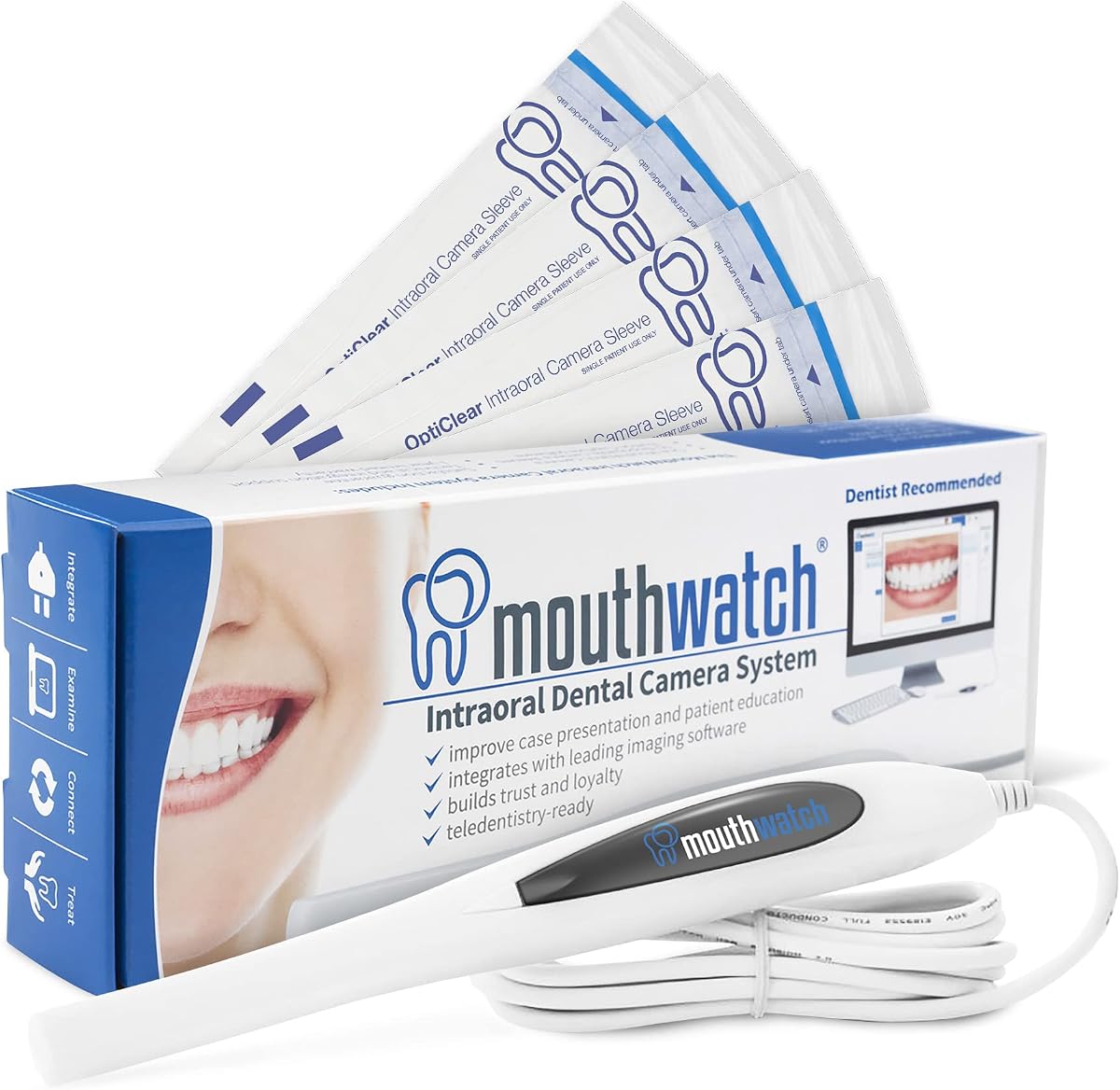
This intraoral camera is designed to help dental professionals capture clear images efficiently. It holds a strong rating due to its ease of use and integration capabilities.
We may earn a commission when you buy through this link, at no additional cost to you.
The standout quality is the sharp focused imaging that eliminates auto-focus hunting. The fixed focal distance ensures every shot is clear without manual adjustments.
Trade-offs include the need for specific software integration which may take a few minutes. This is acceptable given the seamless workflow once setup is complete.
Clinics looking to improve case acceptance through visuals should buy this camera. It offers reliability and clarity for daily dental imaging needs.
The camera supports over 50 imaging suites including Eaglesoft and Dexis. Integration can typically be done in under five minutes by customers following clear instructions.
At only 31 grams the camera is lightweight and comfortable to hold. This ergonomic design allows for easier handling during procedures without strain.
We may earn a commission when you buy through this link, at no additional cost to you.
The Canon EOS Rebel T7 offers excellent value for clinics needing high-quality images beyond just intraoral shots. Its 24.1 Megapixel sensor captures sharp details essential for documentation.
We may earn a commission when you buy through this link, at no additional cost to you.
Key strengths include built-in Wi-Fi for quick transfers to smartphones or tablets. This makes sharing patient progress images effortless compared to traditional methods.
The trade-off is that it is a general DSLR not a dedicated intraoral tool. You will need specific lenses for close-up dental work which adds complexity.
Practices wanting a versatile camera for multiple uses should buy this. It balances performance and cost effectively for various photography needs.
The APS-C CMOS sensor delivers vibrant colors and sharp details. It works well even in lower light conditions common in clinical environments.
Built-in Wi-Fi and NFC allow effortless photo transfers. You can quickly share images to smart devices for instant patient communication.
We may earn a commission when you buy through this link, at no additional cost to you.
This bundle adds memory and bag to the T7 camera making it ready for immediate use. It is rated well for its completeness and ease of setup.
We may earn a commission when you buy through this link, at no additional cost to you.
The strengths include the included 64GB memory card which saves extra costs. The intuitive settings help beginners transition into DSLR photography quickly.
Trade-offs are similar to the T7 regarding dental specialization. It is a general-purpose camera that requires adaptation for intraoral work.
New clinics starting from scratch should buy this bundle. It provides a solid foundation for various photography tasks with necessary tools.
The bundle includes a shoulder bag and 64GB memory card. This ensures you have everything needed to start shooting immediately.
Automatic settings make it ideal for beginners. The menu system is simplified for easy navigation during busy clinic hours.
We may earn a commission when you buy through this link, at no additional cost to you.
The Canon EOS R50 offers high-speed performance with advanced autofocus features. It is rated highly for its image clarity and speed in capturing action.
We may earn a commission when you buy through this link, at no additional cost to you.
Key strengths include the Dual Pixel CMOS AF II which covers 100% area. This ensures sharp focus even with small moving subjects like patients.
Trade-offs involve the cost and learning curve for mirrorless systems. These are acceptable for clinics needing top-tier imaging quality and video.
Practices requiring video records of procedures should buy this. It combines speed and quality in a compact versatile package.
The Dual Pixel CMOS AF II covers up to 100% area with 651 zones. This ensures accurate focus on small dental details instantly.
It supports 6K oversampled 4K video at up to 30 fps. This allows for detailed video documentation of dental treatments.
We may earn a commission when you buy through this link, at no additional cost to you.
The Sony ZV-1 is designed for creators with a focus on content quality. It has a strong rating for its bright lens and portable design.
We may earn a commission when you buy through this link, at no additional cost to you.
Standout qualities include the bright ZEISS lens which captures crisp detail. The product showcase mode automatically switches focus to the subject nearby.
Trade-offs include fixed lens limitations compared to interchangeable systems. This is acceptable for clinics focusing on consistent close-up work.
Clinics creating online content should buy this camera. It offers professional results with a compact form factor.
The fast ZEISS lens captures crisp detail with stunning blur. This ensures vibrant professional-grade results with natural colors.
The built-in mic system isolates voices with a directional microphone. This ensures your message comes through clearly in videos.
We may earn a commission when you buy through this link, at no additional cost to you.
This camera offers high resolution imaging for a budget price. It is rated for its 8K video and 88MP sensor capabilities.
We may earn a commission when you buy through this link, at no additional cost to you.
Key strengths include the dual lens setup which allows flexible angles. The quick autofocus system ensures sharp shots in seconds.
Trade-offs are typical of entry-level sensors regarding optical quality. This is acceptable for basic documentation needs.
Clinics on a tight budget should buy this. It provides high resolution features at an accessible price point.
The 88MP high-resolution sensor captures every detail clearly. This ensures sharp and vivid images for documentation.
Two high-capacity batteries provide extended shooting time. This reduces interruptions during long clinic sessions.
We may earn a commission when you buy through this link, at no additional cost to you.
The DY-50 camera is designed for direct integration with North American imaging software. It holds a high rating for its clear pictures.
We may earn a commission when you buy through this link, at no additional cost to you.
Standout qualities include the ergonomic design allowing upper and lower capture. The button capture driver ensures seamless workflow.
Trade-offs are limited compatibility requiring specific software. This is acceptable if your clinic uses supported platforms.
Clinics needing reliable intraoral shots should buy this. It offers clarity and ergonomics at a great price.
The ergonomic design allows easy picture taking from upper and lower. This improves comfort during procedures.
It works with DEXIS Eaglesoft and many other platforms. The capture button driver ensures seamless integration.
We may earn a commission when you buy through this link, at no additional cost to you.
This camera offers 720P HD quality with 4X zoom for flexibility. It is rated for its USB connectivity and software compatibility.
We may earn a commission when you buy through this link, at no additional cost to you.
Key strengths include the 4X zoom allowing detailed shots. The capture button driver works with many imaging platforms seamlessly.
Trade-offs are lower resolution compared to full HD. This is acceptable for basic documentation needs.
Clinics needing zoom capabilities should buy this. It provides clear imaging and integration at a moderate price.
The 4X zoomable feature allows detailed close-ups. This helps in viewing specific areas clearly.
It works with Dexis Apteryx and many other platforms. The button driver ensures seamless workflow.
We may earn a commission when you buy through this link, at no additional cost to you.
This system integrates camera and computer into one unit. It is rated for its high-performance chip and seamless display.
We may earn a commission when you buy through this link, at no additional cost to you.
Standout qualities include the WiFi QR code functionality for instant transfer. The ultra-slim camera improves workflow efficiency.
Trade-offs are the cost and space requirements. This is acceptable for clinics wanting integrated solutions.
Practices needing an integrated setup should buy this. It offers convenience and clear visuals.
The integrated 17-inch touchscreen lets you switch between views. This simplifies case presentation.
With WiFi QR code you can transfer photos instantly. This streamlines workflow without cables.
We may earn a commission when you buy through this link, at no additional cost to you.
This kit is a lighting accessory for dental photography. It is rated highly for its adjustable brightness and flexibility.
We may earn a commission when you buy through this link, at no additional cost to you.
Key strengths include the omni directional shooting allowing ideal views inside the mouth. The LED light helps show fine points clearly.
Trade-offs are that it is not a camera but a light. This is acceptable for enhancing existing setups.
Clinics needing to improve lighting should buy this. It offers flexibility and bright illumination.
The light has fully adjustable brightness from zero to 100%. This helps you show treatment results clearly.
The unit is very flexible with a removable handpiece bracket. This allows you to adjust angles when taking pictures.
We may earn a commission when you buy through this link, at no additional cost to you.
Choosing the right camera for dental photography requires understanding several key factors to ensure quality images and workflow efficiency.
The sensor size determines how much light the camera can capture. Higher resolution sensors provide clearer details which are essential for dental documentation. Look for cameras with APS-C or larger sensors for better quality.
Prioritize resolution above 20 Megapixels to capture fine details like cracks or color changes.
Dental photography requires close-up shots often using macro lenses. Ensure the camera supports lenses that can focus at very short distances. Some dedicated intraoral cameras have fixed lenses designed specifically for this purpose.
Check if the camera supports lenses that can focus at 1:1 magnification ratios for true macro work.
Stabilization helps prevent blur when shooting at high magnification or low light. Optical or sensor-based stabilization ensures sharper images. This is crucial when capturing intraoral shots where movement can occur.
Look for built-in stabilization to reduce blur risk during hand-held shots.
Your camera should work with existing software to streamline patient records. Many intraoral cameras offer direct integration with practice management systems. This reduces time spent transferring files manually.
Choose cameras compatible with your current software to save time and effort.
Clinics are busy so a camera that is easy to operate is vital. Look for models with simple controls or single button capture. This reduces training time and increases adoption by staff.
Prioritize simple controls and intuitive menus to ensure quick adoption by your team.
Dental cameras range from affordable to expensive options. Consider both the initial cost and long-term value such as warranty. Sometimes a higher initial cost saves money by reducing maintenance needs.
Balance upfront cost with long-term reliability to maximize return on investment.
Proper lighting is key to clear images and many cameras need ring flashes. Some kits include lighting while others require separate purchases. Ensure the camera supports external lights for consistent results.
Verify if the camera supports external lighting accessories for consistent illumination.
Lightweight cameras reduce fatigue during procedures. Dedicated intraoral cameras are often very small while DSLRs are larger. Choose based on whether you need portability or versatility.
Select a size that matches your workflow to avoid discomfort during use.
Always sanitize the camera according to manufacturer guidelines before and after each use. Use protective barriers or wipes to ensure patient safety and hygiene protocols are met.
Store the camera in a dry case when not in use to prevent dust accumulation. Avoid exposing the lens to moisture or chemicals that could damage the optical components.
Regularly update software drivers to maintain compatibility with imaging suites. This ensures smooth integration and prevents connectivity issues during patient visits.
The best camera depends on your needs. Dedicated intraoral cameras offer simplicity and direct integration. DSLRs or mirrorless cameras with macro lenses provide higher versatility and image quality.
Yes, macro lenses are essential for capturing detailed close-ups of teeth. Look for lenses that allow 1:1 magnification to see fine details clearly.
Follow the manufacturer's instructions for cleaning. Use approved wipes or barriers to prevent cross-contamination while protecting the device from fluids.
Intraoral cameras are easier to use for specific clinical tasks. DSLRs offer higher image quality and versatility for other photography needs.
Most cameras support common dental imaging software. Check compatibility lists to ensure seamless integration with your current system.
Proper lighting is essential. Ring flashes or LED kits are commonly used to eliminate shadows and ensure clear visibility of oral structures.
We reviewed ten cameras offering options for various budgets and needs. The top picks include dedicated intraoral cameras and versatile DSLRs.
Prioritize workflow integration and image clarity to improve patient outcomes. Consider how the camera fits your practice style.
Prices change frequently so check current offers before purchasing. Ensure the camera meets your requirements before committing.