
Canon EF 50mm f/1.8 STM Lens
4.8Editor score
f/1.8 maximum aperture
Silent STM autofocus
Compact lightweight design
Affordable price point
This guide compares the best Camera Lens for Product Photography options for professionals and beginners to help you choose the right tool for your needs.
Finding the right Camera Lens for Product Photography is essential for capturing crisp, detailed images that highlight your goods. Whether you shoot jewelry, electronics, or food, the lens you choose defines clarity, depth, and color fidelity in every shot.
We evaluated ten top-rated lenses based on optical performance, focus speed, build quality, and value. Our analysis covers zooms, primes, and accessories suitable for Canon DSLRs, mirrorless cameras, and even smartphones for flexible shooting scenarios.
Each pick highlights unique strengths like aperture, stabilization, or macro capability. Prices and availability change often, so verify details before buying. This guide helps you match a lens to your gear and budget for consistent results.
4.8Editor score

4.8Editor score
4.7Editor score
The following table compares key specs and strengths of each lens to help you quickly identify the best match for your camera body and shooting style.


The Canon RF24-70mm F2.8 L IS USM is a top choice for product photography on Canon mirrorless bodies. It delivers exceptional sharpness and color fidelity at a bright f/2.8 aperture across the zoom range.
We may earn a commission when you buy through this link, at no additional cost to you.
Its optical image stabilization provides up to 5 stops of correction, which helps in low light or when shooting handheld. The Nano USM autofocus ensures smooth and quiet performance, ideal for video or precise framing.
While it is pricier than kit lenses, its build quality and optical performance justify the cost. It is versatile enough for macro work, portraits, and general product shots without needing to swap glass frequently.
If you use a Canon EOS R series camera and need a reliable workhorse for detailed product shots, this lens is a strong investment. It balances speed, sharpness, and handling for professional results.
The lens uses advanced optics to reduce aberrations and flare, ensuring clean images with accurate colors for catalogs or web listings.
The 24 to 70mm range covers tight macro setups to wider environmental product shots, giving flexibility without moving equipment often.
We may earn a commission when you buy through this link, at no additional cost to you.
The Canon EF 50mm f/1.8 STM is a classic prime lens that offers great value for product photographers starting out. It produces sharp images with beautiful background blur thanks to its wide aperture.
We may earn a commission when you buy through this link, at no additional cost to you.
Its stepping motor delivers near silent autofocus, which is helpful when recording product videos or working in quiet environments. The lens is compact and light, making it easy to handle on smaller DSLR bodies.
Though it is a fixed focal length and requires you to move closer or farther to frame shots, this encourages better composition. The build is plastic but durable enough for regular use in a studio.
For photographers on a tight budget who want professional image quality, this lens is hard to beat. It excels at close-ups of accessories or small items where the shallow depth of field helps isolate the subject.
The f/1.8 aperture creates strong bokeh to separate products from busy backgrounds, drawing attention to the main subject.
Simple controls and lightweight design make it a great option for long shooting sessions without fatigue.
We may earn a commission when you buy through this link, at no additional cost to you.
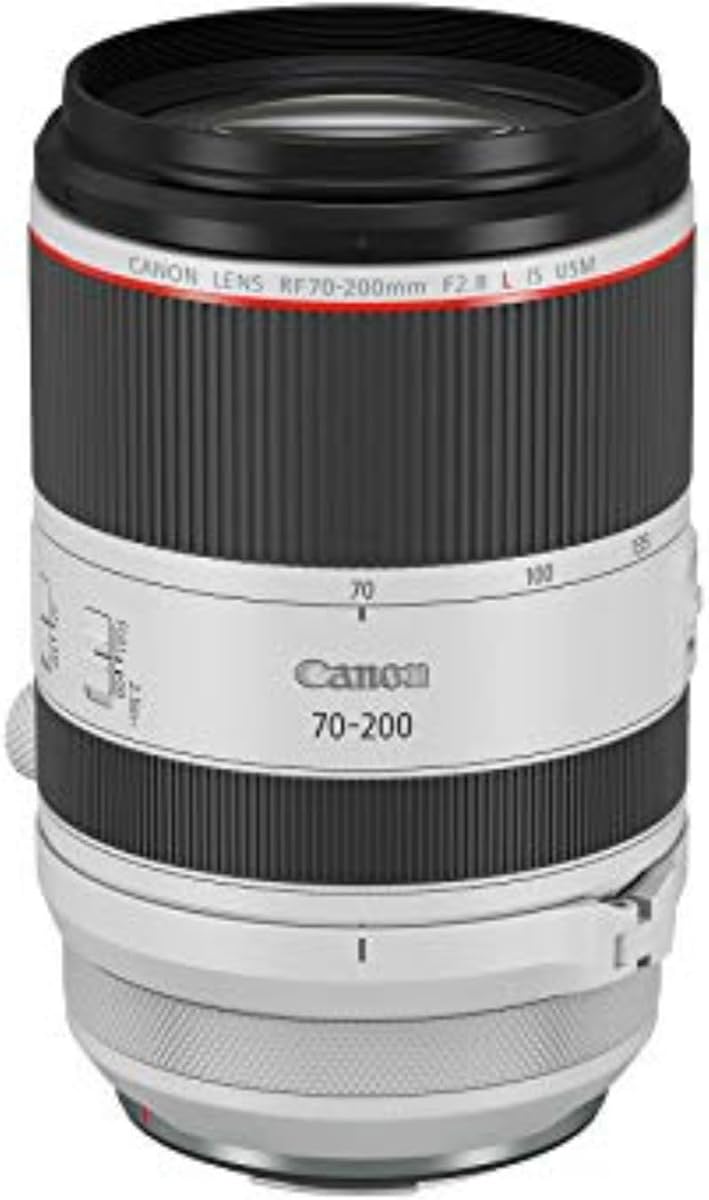
The Canon RF70-200mm F2.8 L IS USM is a premium telephoto zoom designed for Canon mirrorless cameras. It delivers outstanding optical quality with a constant f/2.8 aperture for consistent exposure while zooming.
We may earn a commission when you buy through this link, at no additional cost to you.
Its dual Nano USM autofocus system ensures high speed and smooth focus, which is beneficial when switching between subjects quickly. The optical image stabilization helps reduce shake for sharper handheld shots.
While it is expensive, its performance justifies the price for professionals who demand the best image quality. The compact design for a 70-200mm lens makes it easier to carry around during product shoots.
If you need to capture detailed product shots from a distance or want beautiful background compression, this lens is an excellent choice. It is ideal for high-end catalogs where clarity is paramount.
The lens resolves fine textures and edges sharply, perfect for showcasing intricate details like engravings or fabric weaves.
It features weather sealing and robust construction to withstand demanding studio environments and frequent use.
We may earn a commission when you buy through this link, at no additional cost to you.
The Canon EF 75-300mm III renewed lens offers an extended zoom range at an affordable price point. It is suited for casual product photography where budget is a primary concern.
We may earn a commission when you buy through this link, at no additional cost to you.
The DC autofocus motor is reasonably quick but not as silent or fast as STM units. Its variable aperture means light levels change as you zoom, which may require exposure adjustments.
Despite being a budget option, it produces decent image quality for general shots. The lens is lightweight and easy to transport, making it a practical choice for occasional use.
If you already own a Canon DSLR and need a telephoto reach for small items from a distance, this lens is a viable option. It is not ideal for high-end studio work but works well for entry-level needs.
Its low cost makes it accessible for those just starting to explore product photography without major upfront investment.
The 75 to 300mm span covers many common product sizes, allowing flexibility without changing lenses.
We may earn a commission when you buy through this link, at no additional cost to you.
The Lightdow EF 85mm f1.8 is a fully manual focus lens that offers creative freedom for product photographers who prefer manual control. It delivers sharp images and smooth bokeh for an affordable price.
We may earn a commission when you buy through this link, at no additional cost to you.
Its large f/1.8 aperture allows for great background separation and low light performance. The lens is built with hybrid aspherical elements to reduce aberrations and ensure clear image quality.
Switching to manual focus may take some getting used to, especially for fast-paced shoots. However, for static product setups where precision matters, it allows for exact focus points that autofocus might miss.
This lens is suitable for photographers who want to learn manual focusing or who shoot in controlled studio environments. It is a cost-effective way to achieve professional-looking portraits and product details.
Manual control lets you pinpoint exact focus on product details, ensuring the sharpest part of the image is where you want it.
The lens creates soft background blur that can add artistic flair to product images without distracting from the main subject.
We may earn a commission when you buy through this link, at no additional cost to you.
The Canon RF50mm F1.8 STM is a compact prime lens designed for Canon EOS R series mirrorless cameras. It offers sharp optics and a bright aperture at a very reasonable price.
We may earn a commission when you buy through this link, at no additional cost to you.
Its gear-type stepping motor ensures smooth and quiet autofocus, which is beneficial for video product showcases. The lens includes a control ring for direct changes to settings like ISO or aperture.
Though it is fixed at 50mm, it provides a natural field of view similar to the human eye. This makes it suitable for a variety of product types from jewelry to small electronics.
For mirrorless shooters who want a lightweight and easy-to-use lens, this is an excellent choice. It balances performance and portability well, making it a great everyday lens for product photography.
The lens integrates seamlessly with EOS R systems for full functionality including electronic aperture control and image stabilization.
Its small size and low weight make it easy to carry and use for extended periods without strain.
We may earn a commission when you buy through this link, at no additional cost to you.
The Sigma 135mm F1.8 DG HSM ART is a high-end prime lens known for its exceptional sharpness and beautiful bokeh. It is built for demanding photographers who need top-tier optical performance.
We may earn a commission when you buy through this link, at no additional cost to you.
Its large f/1.8 aperture allows for creative control over depth of field, making it ideal for isolating products from their backgrounds. The Hyper Sonic motor ensures fast and accurate autofocus.
Though it is heavy and expensive, the image quality justifies the investment. It is particularly well suited for lifestyle product photography that involves human elements or detailed close-ups.
If you require the utmost in optical quality and can handle the weight, this lens is a fantastic addition to your kit. It produces images that stand out in professional portfolios and high-end catalogs.
The lens delivers sharp images across the frame with minimal distortion, ensuring product details are rendered precisely.
The wide aperture creates a creamy background that helps subjects pop and adds an artistic touch to the image.
We may earn a commission when you buy through this link, at no additional cost to you.
The Xenvo Pro Lens Kit offers an affordable way to add macro and wide-angle capabilities to your smartphone. It includes a 15x macro lens and a LED light to improve product shots on the go.
We may earn a commission when you buy through this link, at no additional cost to you.
The lenses clip onto most phones and tablets, allowing for greater flexibility without carrying heavy camera gear. The LED light helps illuminate subjects in dim environments, reducing shadows.
While it may not match dedicated camera lenses in quality, it is perfect for quick social media content or casual product shots. The kit includes a travel case to keep components safe and organized.
If you often shoot products using your phone, this kit provides useful enhancements at a low cost. It is a great tool for e-commerce sellers or influencers who need to capture images quickly.
The macro lens allows for close-up details that smartphones alone may struggle to capture with clarity.
The LED light improves lighting conditions for indoor product shots without needing extra equipment.
We may earn a commission when you buy through this link, at no additional cost to you.
The Canon EOS Rebel T7 DSLR kit includes the camera body and two versatile zoom lenses, making it a complete package for new product photographers. It offers a 24.1MP sensor and Full HD video recording.
We may earn a commission when you buy through this link, at no additional cost to you.
The included lenses provide a broad range for different product sizes, from wide shots to tighter details. Built-in Wi-Fi allows for easy transfer of images to your phone for quick sharing.
While it is an older model, it remains a reliable choice for beginners who want hands-on control. The camera is user-friendly and produces decent image quality for online sales or catalogs.
If you are just starting and want a ready-to-use camera without buying separate lenses, this kit is ideal. It offers a solid foundation for learning photography and capturing quality product images.
Guided menus and simple controls help new users get started quickly without confusion.
The included zoom lenses cover common focal lengths for product shots, offering flexibility right out of the box.
We may earn a commission when you buy through this link, at no additional cost to you.
The Canon EF 200mm f/2.8L II USM is a fixed telephoto lens that delivers excellent sharpness and performance for detailed product photography. It features a bright f/2.8 aperture for consistent exposure.
We may earn a commission when you buy through this link, at no additional cost to you.
Its lightweight design for a 200mm lens makes it easier to handle during long shoots. The fast autofocus helps quickly frame and capture images without delay.
While it lacks the flexibility of zooms, its optical quality is outstanding for static subjects. It is well suited for close-up work where you need high detail and minimal distortion.
If you prioritize image quality and want a fast prime telephoto for Canon DSLRs, this lens is a great choice. It produces crisp images that bring out fine textures and details in products.
The lens resolves fine details with exceptional clarity, making it ideal for showcasing intricate product features.
Its balanced weight and smooth zoom ring allow for stable shooting during extended studio sessions.
We may earn a commission when you buy through this link, at no additional cost to you.
Selecting the right lens requires understanding your gear, shooting style, and budget. This guide breaks down key factors to help you make an informed decision for your product photography needs.
Focal length determines how much of your product and background you capture. Shorter lenses like 35mm or 50mm are great for wider product views, while longer telephoto lenses like 85mm or 135mm isolate details and compress the background.
Choose a focal length that matches your typical product size and shooting distance for the best composition.
Aperture controls depth of field and light intake. A wider aperture like f/2.8 or f/1.8 allows more light and creates a shallow depth of field to blur backgrounds and draw attention to the product.
For studio work with controlled lighting, aperture matters less but still impacts bokeh quality and low light performance.
Ensure the lens mount matches your camera body, such as RF for Canon mirrorless or EF for DSLRs. Using the wrong mount can lead to incompatibility or require adapters that affect performance.
Always check your camera's mount compatibility before purchasing to ensure full functionality.
Fast and silent autofocus motors like STM or USM help you frame products quickly without noise disrupting video shoots or quiet studios. Manual focus lenses provide control but require more time.
For dynamic product photography or video, prioritize autofocus lenses with smooth and quiet operation.
Image stabilization helps reduce camera shake for sharper handheld shots, especially in low light or with longer focal lengths. It is useful when not using a tripod during product setups.
If you shoot handheld frequently, look for lenses with effective optical image stabilization to improve sharpness.
Lenses with weather sealing and robust construction last longer and withstand dust or moisture. Professional lenses often use higher grade materials for reliability in demanding environments.
Invest in durable build quality if you plan to use the lens extensively over time.
Price varies widely between budget primes and high-end zooms. Determine what features you need versus what you can afford to find the best value for your specific product photography goals.
Balance cost with performance to ensure you get the quality you need without overspending.
Consider how the lens works with extension tubes, filters, or macro rings for close-up product details. Some lenses are better suited for adding accessories that enhance versatility.
Check if the lens supports the accessories you plan to use for specialized product shots.
To get the best results, clean the lens regularly with a microfiber cloth and use a lens hood to reduce flare and protect front elements. Always store the lens in a dry, dust-free place when not in use to avoid damage.
For product photography, use a tripod to keep your shots steady and consistent. Adjust your settings manually to control exposure and depth of field, and focus carefully on the most important details of your product.
Avoid exposing the lens to extreme temperatures or moisture. If your lens gets wet, dry it thoroughly and check for fogging inside. Regular maintenance will ensure your lens continues to perform well over time.
For most product types, a 50mm or 85mm lens is ideal because it offers a natural perspective without distortion. Macro lenses are better for small items where extreme close-up details are needed.
Prime lenses often provide sharper images and wider apertures but require moving to frame shots. Zoom lenses offer flexibility and convenience, making them suitable for varied product sizes without changing lenses.
A macro lens is useful if you photograph small items like jewelry or electronics where fine details matter. For larger products, a standard lens with a close focus distance may suffice.
Aperture controls how much background blur you get and how much light enters the lens. A wider aperture like f/2.8 creates more blur, while smaller apertures keep more of the product in focus.
Smartphone lenses are affordable and portable for quick social media content. They lack the optical quality of dedicated camera lenses but can work well for casual product shots.
Use a soft microfiber cloth and avoid harsh chemicals. Start by blowing off dust with a blower, then gently wipe the glass with a lens cloth or microfiber towel to remove smudges.
Yes, with adapters like Canon EF to RF adapters, you can use older DSLR lenses on mirrorless bodies. However, autofocus speed and features may be limited compared to native lenses.
An aperture between f/5.6 and f/11 usually provides sharp images with enough depth of field to keep the whole product in focus. Very wide apertures may leave parts of the product blurry.
Choosing the best camera lens for product photography depends on your gear, budget, and the type of products you shoot. The Canon RF24-70mm F2.8 L IS USM offers unmatched versatility, while the EF 50mm f/1.8 STM is ideal for budget-conscious buyers.
Prioritize lenses that match your camera mount and deliver the optical quality needed for your specific applications. Consider features like stabilization, aperture, and build quality to ensure you can capture sharp, detailed images consistently.
Remember that lens prices change frequently, so check current availability before making a purchase. With the right lens, you can improve your product images and attract more customers to your business.