
Capture Card 4K HDMI Video Streaming to USB 3.0 1080P 60FPS Capture Device
4.4Editor score
1080P 60FPS Capture
Plug-and-Play Setup
Low-Latency Performance
Compare the top capture card for streaming high FPS gameplay options available in October 2026 to find the perfect device for your streaming setup and content
Streaming high frame rate gameplay requires hardware that can keep up with the speed of modern gaming. A good capture card ensures your audience sees every crisp frame without lag or stuttering during intense moments.
We evaluated ten leading capture devices based on resolution support, latency performance, and compatibility with popular consoles and PCs. Each product offers unique features tailored to different budget levels and streaming requirements.
Each pick highlights specific strengths for competitive gaming and content creation. Prices and availability change frequently, so verify current details before purchasing to ensure you get the best deal for your setup.
4.4Editor score
4.5Editor score

4.5Editor score
This side-by-side comparison highlights the key technical specifications and features of each capture device to help you make an informed decision for your high FPS streaming needs.


This capture device stands out as an excellent entry point for streamers on a budget. With a rating of 4.4 stars it delivers reliable performance for casual content creators focusing on standard high definition streams.
We may earn a commission when you buy through this link, at no additional cost to you.
The standout quality is its plug-and-play nature which eliminates the need for complex driver installations. It supports 1080P at 60 frames per second ensuring smooth gameplay footage for platforms like Twitch and YouTube without stuttering.
Trade-offs include the lack of 4K recording and a simpler physical build compared to premium models. However for beginners or those streaming console games at standard resolution these limitations are negligible compared to the low cost.
Beginners and budget-conscious streamers should buy this card to start their channel without heavy financial investment. It is a solid recommendation for anyone needing a reliable HDMI capture solution for PC or laptop streaming.
The USB 3.0 connection allows immediate recognition by your operating system so you can start recording within minutes.
This device works seamlessly with various consoles and cameras making it a versatile tool for mixed media content.
We may earn a commission when you buy through this link, at no additional cost to you.
This capture card offers a balanced feature set for streamers needing standard high definition recording capabilities. It receives a 4.3 rating from users who appreciate its ability to handle high refresh rate input signals.
We may earn a commission when you buy through this link, at no additional cost to you.
The device supports video input up to 1080p at 120Hz or 144Hz allowing you to capture fast moving action smoothly. It also features a dedicated microphone input port enabling you to add commentary directly through the capture device.
While it accepts 4K input it does not support capturing 4K at 120Hz or 144Hz which limits its utility for next-gen console enthusiasts. The output maxes out at 2K 30Hz which is sufficient for most YouTube content.
Streamers who prioritize smooth 1080P gameplay footage and need easy audio integration will find this device very useful. It is a reliable choice for mid-level setups requiring flexibility without high costs.
Support for 120Hz input ensures that fast-paced competitive games look fluid on your recorded streams.
The 3.5mm microphone port simplifies your signal chain by allowing direct voice input without extra cables.
We may earn a commission when you buy through this link, at no additional cost to you.
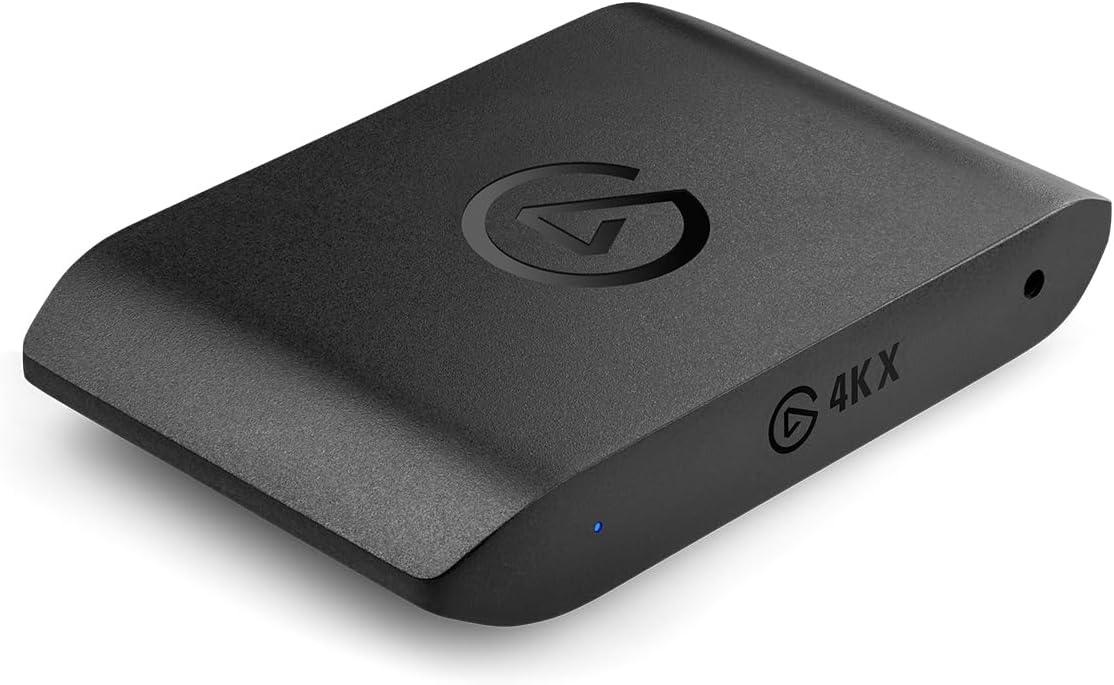
The Elgato 4K X capture card represents a significant leap forward for high frame rate gaming streams. With a robust 4.5 rating it is widely regarded as a top performer for creators demanding crystal clear visuals at high speeds.
We may earn a commission when you buy through this link, at no additional cost to you.
Its ability to capture 4K resolution at 144 frames per second is unmatched in many categories allowing for incredibly smooth streaming of fast-paced games. The HDMI 2.1 support enables Variable Refresh Rate passthrough eliminating screen tearing for uninterrupted viewing experiences.
The high price point reflects the advanced technology and build quality but it may not be necessary for casual streamers. Additionally leveraging its full potential requires a source device that supports HDMI 2.1 signals.
Competitive gamers and high-end content creators should buy this card to ensure their streams match the quality of their gameplay. It is the recommended choice for those who need the best latency and resolution available today.
VRR passthrough ensures that your monitor and capture card stay in sync for a tear-free gaming environment.
USB 3.2 Gen 2 technology minimizes delay ensuring your broadcast stays perfectly synchronized with your controls.
We may earn a commission when you buy through this link, at no additional cost to you.
This card provides a versatile solution for creators who need higher frame rate support without breaking the bank. It holds a 4.2 rating from users who value its ability to handle 1080P at 120 frames per second effectively.
We may earn a commission when you buy through this link, at no additional cost to you.
The device captures video up to 1080P at 120FPS ensuring smooth motion in competitive shooters and racing games. It also features both USB A and USB C connections making it adaptable to different laptop and desktop setups.
While it supports 4K input the capture is limited to 60fps which is standard for this price range. Some users report minor variations in build quality but the performance remains consistent for streaming tasks.
Content creators focusing on high refresh rate gameplay should consider this card for its flexible connectivity and solid performance. It is a great option for those needing a reliable capture tool with modern connection standards.
Both USB A and USB C ports ensure this device fits easily into modern and legacy computer setups.
Recording at 120FPS provides a smoother visual experience for viewers watching fast-paced competitive games.
We may earn a commission when you buy through this link, at no additional cost to you.
This capture card offers reliable standard definition performance for users who do not need high frame rate features. With a 4.4 rating it is appreciated for its ability to deliver rich colors through YUY2 technology.
We may earn a commission when you buy through this link, at no additional cost to you.
The device supports 1080P at 60Hz output ensuring smooth streaming for most genres of video content. It includes a direct microphone input which simplifies your setup by reducing the number of cables needed for commentary.
It lacks support for higher refresh rates like 120Hz or 144Hz which limits its use for competitive gaming streams. The loop-out feature is useful for monitoring but does not enhance the capture resolution beyond 1080P.
Educational streamers or casual gamers looking for a simple and effective capture device will find this card suitable. It is recommended for users who prioritize ease of use and reliable 60Hz performance.
YUY2 technology provides richer and more accurate colors compared to standard MJPEG compression methods.
Its small form factor makes it easy to transport for on-location recording or LAN party streaming.
We may earn a commission when you buy through this link, at no additional cost to you.
This card delivers impressive passthrough capabilities that allow for smooth gaming experiences while recording. It holds a 4.2 rating and is favored for its ability to support refresh rates up to 240Hz for passthrough.
We may earn a commission when you buy through this link, at no additional cost to you.
The device captures 4K at 60Hz ensuring high quality recording for standard gaming content. It also supports HDR and Variable Refresh Rate technologies which helps maintain visual fidelity during intense gaming sessions.
Full customization of settings requires downloading the utility software which might be a hurdle for some users. While the performance is strong the build and design are functional rather than premium in appearance.
Gamers who want to play at high refresh rates without sacrificing recording quality will benefit from this device. It is a solid choice for mid-range setups needing advanced HDMI features without the flagship price.
VRR support ensures that gameplay remains smooth and free from screen tearing during variable frame rate output.
Real-time parameters and ring light control offer convenient monitoring directly on the device interface.
We may earn a commission when you buy through this link, at no additional cost to you.
This capture card is designed with durability in mind offering a reliable tool for daily streaming use. With a 4.2 rating it is praised for its near-zero latency and certified compatibility with OBS Studio.
We may earn a commission when you buy through this link, at no additional cost to you.
It supports 120 fps recording in Full HD which is ideal for competitive gaming content where smooth motion is key. The alloy outer shell protects the device during transport ensuring it withstands frequent handling.
The 4K recording is limited to 30 fps which is a trade-off for better high refresh rate support in 1080p. You will need a USB 3.2 Type-C port on your computer to connect this device properly.
Streamers who play a mix of high frame rate games and need a durable device for travel will find this useful. It is recommended for those who value build quality and reliable 120fps performance.
Official certification for OBS Studio guarantees optimal performance and minimal configuration for your streams.
Full HD at 120fps ensures fluid visuals for fast-paced competitive gaming streams.
We may earn a commission when you buy through this link, at no additional cost to you.
This capture card provides excellent support for high refresh rate gaming monitors and consoles. It has a 4.4 rating from users who need 1080P at 240Hz passthrough for smooth gameplay viewing.
We may earn a commission when you buy through this link, at no additional cost to you.
The device captures 4K at 60Hz ensuring high fidelity recording while preserving the original screen ratio. It supports HDMI features like HDR VRR and ALLM which help reduce input lag and screen tearing during intense sessions.
While passthrough is extremely high the capture frame rate caps at 60fps which is standard for this tier of device. The USB-C connection adds versatility but you may need an adapter for older ports.
Owners of high refresh rate monitors and consoles will benefit from the seamless passthrough and support for ultrawide screens. It is a great option for competitive gamers needing precise monitoring tools.
Auto Low Latency Mode ensures that your monitor switches to game mode automatically for better response.
Full screen ratio support prevents cropping or distortion on ultrawide displays during recording.
We may earn a commission when you buy through this link, at no additional cost to you.
This internal capture card offers a robust solution for streamers who want to offload capture from USB ports. It carries a 4.3 rating and is known for its ultra-low latency and HDMI 2.1 support.
We may earn a commission when you buy through this link, at no additional cost to you.
It supports refresh rates up to 240Hz making it ideal for competitive gaming on high end PCs. The internal design provides a stable connection which can be beneficial for long streaming sessions.
Installation requires opening your PC case which may be challenging for beginners or those with slim chassis. It is also limited to 4K at 60fps capturing which is a standard limitation for this hardware class.
Desktop PC users who prefer internal components and need high performance capture should consider this device. It is recommended for those who want a dedicated card without external dependencies.
An internal PCIe connection ensures a more stable data transfer compared to external USB options.
Support for 240Hz refresh rates ensures fast-paced competitive games look smooth during streaming.
We may earn a commission when you buy through this link, at no additional cost to you.
This internal capture card delivers flagship performance for professional streamers and content creators. With a 4.5 rating it is widely regarded as the top choice for those who need high frame rate internal solutions.
We may earn a commission when you buy through this link, at no additional cost to you.
The device supports 8K 60Hz passthrough ensuring your monitor receives the best signal while capturing 4K at 60fps. It also enables 1080p recording at 240 frames per second for ultra smooth competitive gaming footage.
The price is high and it requires a free PCIe slot in your PC which may not be available in all builds. For users without these requirements the cost and installation might be a significant hurdle.
Professional streamers and PC enthusiasts who want the absolute best internal capture performance should buy this card. It is the recommended choice for those who need ultimate quality and stable internal connectivity.
Ultra-low latency ensures that your broadcast and gameplay are perfectly synchronized for viewer immersion.
HDMI 2.1 in/out support enables recording of high frame rates like 240fps in pristine 1080p resolution.
We may earn a commission when you buy through this link, at no additional cost to you.
Choosing the right capture card requires understanding your specific streaming needs and technical constraints. This guide breaks down the essential factors to consider.
The most critical factor is the capture card's ability to support high frame rates like 120Hz or 240Hz which are essential for smooth gaming footage. Look for devices that explicitly state 1080P at 120fps or higher to avoid dropped frames during fast action.
Prioritize cards that list high refresh rates to ensure your stream matches the fluidity of your gameplay.
Low latency ensures that your on-screen view and your broadcast stay synchronized without delay. For competitive gaming this means minimizing the time between your action and the viewer seeing it.
Check for claims of near-zero latency or specific latency numbers to avoid lag issues during streams.
Passthrough allows you to play on your monitor while sending the video to your PC for capture. Look for devices that support the same refresh rates for passthrough as they do for capture.
Ensure your monitor gets a clean signal to avoid screen tearing or input lag.
USB 3.0 and USB-C connections are standard for modern capture devices offering stable data transfer speeds. Internal PCIe cards provide even better stability for desktop setups with available slots.
Verify your computer has the necessary ports before purchasing to avoid adapter issues.
Built-in microphone inputs or audio mixing capabilities simplify your setup by allowing direct commentary. This reduces the number of cables and audio interfaces needed for a clean stream.
Look for 3.5mm ports or digital audio support for seamless voice integration.
The capture card should work effortlessly with popular streaming software like OBS or Streamlabs without complex drivers. Certified compatibility ensures better performance and easier setup.
Choose cards that support UVC or UAC standards for plug-and-play functionality.
Robust construction protects the device during transport and long use. Metal or alloy shells offer better durability than plastic alternatives especially for on-the-go streamers.
Invest in a device with a sturdy build if you plan to move your equipment frequently.
Entry level cards often sacrifice high frame rate support for affordability while premium models offer 4K and high refresh rates. Assess your actual needs to avoid overspending on features you do not use.
Balance the cost against the specific features required for your streaming goals.
Connect your console or gaming PC to the capture card using a high speed HDMI cable to ensure signal integrity. Then connect the card to your PC via a USB 3.0 or USB-C port for stable data transfer.
Launch your streaming software like OBS or Streamlabs and select the capture card as your video source device. Adjust your video settings to match the recommended frame rate for high quality streams.
Keep your capture card in a dry dust free environment and avoid bending cables during storage to ensure long term reliability. Regularly update firmware to maintain compatibility with new console features.
Yes a capture card sends video data to your PC which requires sufficient processing power to encode the stream. A modern mid range processor will handle 1080P at 60fps comfortably.
Lag often comes from poor internet upload speeds or incorrect encoder settings in your streaming software. Ensure your bitrate is within your upload limits to maintain smooth playback.
Only capture cards that explicitly support 120fps recording can capture high frame rate gameplay smoothly. Check the product specs for 1080P at 120Hz support before buying.
Yes USB 3.0 is required to handle the bandwidth needed for high resolution video streaming. Older USB 2.0 ports may cause dropped frames or lower resolution output.
Use the 3.5mm microphone input on the card for direct voice audio or connect your headset directly to your PC. This keeps audio and video synchronized during streams.
VRR passthrough supports Variable Refresh Rate which eliminates screen tearing during gameplay. It ensures your monitor and capture card stay in sync for a smoother visual experience.
We have reviewed ten top capture cards ranging from affordable budget options to premium high performance devices for every setup. Each offers unique strengths for delivering smooth high frame rate footage to your audience.
Prioritize frame rate support and low latency if you stream competitive games to ensure your content matches the speed of your gameplay. Choosing a device with the right passthrough features will also improve your monitoring experience.
Prices and availability change frequently so verify the latest specs and deals on Amazon before making your final purchase. Selecting the right device now will save you from upgrading later.