
NVIDIA DGX Spark
5.0Editor score
1 PetaFLOP AI Performance
Grace Blackwell Architecture
Full NVIDIA AI Stack
Discover the best Cpus for Machine Learning in October 2026. Our expert guide compares top processors for AI workloads, local inference, and high-performance
Selecting the right CPU for machine learning projects requires careful consideration of core counts, cache sizes, and specialized AI accelerators. This guide reviews ten top contenders designed to handle demanding workloads efficiently. Whether you are fine-tuning models or running inference locally, the right processor ensures optimal performance and productivity.
We compared products based on architecture, thread counts, memory bandwidth, and compatibility with AI software stacks. Each selection offers unique strengths for developers, researchers, and enthusiasts. Our analysis focuses on real-world usability, thermal efficiency, and support for large parameter models in local environments.
Each pick highlights key specifications, pros, cons, and ideal use cases to help you decide. Note that availability and pricing may vary over time. Check current listings for the most up-to-date offers before making your final purchasing decision for your specific machine learning needs.
5.0Editor score

5.0Editor score

4.8Editor score
This side-by-side comparison evaluates all ten processors across key metrics like core configuration, memory support, and AI-specific features. Use this table to quickly identify which model aligns with your budget and technical requirements for your next machine learning deployment.



The AMD Ryzen AI Halo stands out as a premier choice for local AI development, earning a perfect 5.0 rating. It features 128GB unified memory and supports up to 200B parameter models, making it ideal for intense workloads without cloud dependency.
We may earn a commission when you buy through this link, at no additional cost to you.
This platform is purpose-built for developers who need a robust environment for training and inference. The Zen 5 architecture paired with an XDNA 2 NPU delivers significant compute power. Full AMD ROCm software support ensures compatibility with essential frameworks.
While the Linux-only OS might limit some users, it provides a streamlined experience for AI tasks. The compact design includes essential connectivity like 10GbE LAN and Wi-Fi 7. The trade-off is acceptable given the specialized focus on local AI efficiency.
Developers seeking a dedicated machine learning workstation should prioritize this option. It offers exceptional value for those needing large model support locally. For professionals focused on rapid prototyping, this system delivers the performance required to succeed.
With 256 GB/s memory bandwidth, the Halo allows quick data transfer between CPU, GPU, and NPU for faster processing cycles.
Preloaded tools and optimized workflows simplify setup, letting you focus on building models rather than configuring hardware.
We may earn a commission when you buy through this link, at no additional cost to you.
The NVIDIA DGX Spark offers enterprise-scale AI directly to your desk, earning a 5.0 rating for its capability. It leverages the Grace Blackwell architecture to deliver up to 1 petaFLOP of AI performance for inference and analytics.
We may earn a commission when you buy through this link, at no additional cost to you.
This system integrates seamlessly with the full NVIDIA AI software stack, enabling developers to work locally and deploy anywhere. The 128GB unified memory per unit supports large models up to 200 billion parameters at FP4, accelerating time-to-solution significantly.
While the price reflects its premium status, the ROI for productivity gains is substantial. It augments cloud resources effectively, reducing reliance on external compute. The compact design saves space despite delivering supercomputer-level power.
Organizations needing secure, high-performance local AI should consider this top pick. It is best for teams that require rapid testing and innovation without compromising on model size. For those seeking the absolute best desktop AI supercomputer, this is it.
By delivering 1 petaFLOP of AI performance locally, this device speeds up model training and inference workflows dramatically.
Full NVIDIA AI software stack integration ensures compatibility with popular libraries and frameworks for smooth development.
We may earn a commission when you buy through this link, at no additional cost to you.
The AMD Ryzen 9 9900X delivers ultra-fast performance at an accessible price point, rated 4.8 stars. With 12 cores and 24 threads based on Zen 5 architecture, it handles demanding tasks efficiently for machine learning workloads.
We may earn a commission when you buy through this link, at no additional cost to you.
This processor supports DDR5 5600 memory and offers a max boost of 5.6 GHz. It provides excellent value for developers needing robust compute power without premium costs. The AM5 platform ensures future upgradability for your system.
The lack of a dedicated NPU means reliance on GPU for AI acceleration, but the core performance remains strong. It is an ideal choice for budget-conscious buyers building a capable workstation. The unlocked design allows overclocking for extra headroom.
Buyers seeking a balance of price and performance should choose this option. It excels in multitasking and general compute tasks. For those on a budget who still want powerful processing, this is a highly recommended pick.
24 threads ensure smooth operation when running multiple applications or large datasets simultaneously during development.
Socket AM5 compatibility guarantees support for newer hardware generations, extending the lifespan of your investment.
We may earn a commission when you buy through this link, at no additional cost to you.
The NVIDIA DGX Spark single unit provides similar supercomputer performance to its twin pack, rated 4.4. It offers 128GB unified memory to experiment with large models up to 200 billion parameters locally. This unit empowers rapid testing and innovation.
We may earn a commission when you buy through this link, at no additional cost to you.
Designed for developers, it delivers seamless integration with the NVIDIA AI software stack. The Grace Blackwell architecture ensures efficient processing for analytics and inference. It augments existing resources effectively without requiring full cloud reliance.
While the single unit costs less than the twin pack, it still represents a significant investment. The benefits include enhanced productivity and a secure, high-performance setting. It is a powerful tool for those focused on AI-driven innovation.
If you need enterprise-level AI without a data center, this system fits well. It is ideal for prototyping and validation tasks. For professionals valuing speed and reliability in local AI, this remains a solid option.
By allowing local experimentation with large models, this system helps researchers validate concepts quickly and efficiently.
The combination of powerful hardware and software integration delivers exceptional return on investment for increased productivity.
We may earn a commission when you buy through this link, at no additional cost to you.
The AMD Ryzen 9 9950X3D delivers exceptional performance with 16 cores and Zen 5 architecture, rated 4.7. It supports up to 5.7 GHz boost clock speeds for rapid task execution. This processor is designed for content creation and gaming alike.
We may earn a commission when you buy through this link, at no additional cost to you.
Its thermal performance is optimized to ensure stability under heavy loads. The Granite Ridge AM5 design allows for significant overclocking potential. Developers can leverage these cores for pre-processing data or complex simulations effectively.
While it does not include integrated graphics or a cooler, the raw processing power is undeniable. It is a robust choice for users who already have a cooling solution. The AM5 socket ensures long-term support for upgrades.
For those needing a balance of high-core compute and efficiency, this is a great pick. It performs well in multi-threaded workloads. If you prioritize core performance for ML tasks, this processor delivers strong results.
The improved thermal performance allows for sustained high clock speeds without excessive heat generation or throttling.
16 cores provide ample parallel processing power for managing multiple data pipelines simultaneously.
We may earn a commission when you buy through this link, at no additional cost to you.
The Intel Core Ultra 9 285K features 24 cores and a hybrid architecture, rated 4.6. It prioritizes workloads to optimize performance across different core types. This design ensures your PC runs cooler, quieter, and quicker during ML tasks.
We may earn a commission when you buy through this link, at no additional cost to you.
With a turbo boost up to 5.7 GHz and 40MB cache, it offers excellent responsiveness. PCIe 5.0 support enhances data transfer speeds for high-speed storage. It is a strong option for those needing high-performance compute on Intel platforms.
The hybrid architecture is key to efficiency, distributing tasks intelligently. However, you will need to provide your own cooling solution. The Intel 800 series chipset requirement ensures compatibility with modern motherboards.
Users seeking Intel-based high performance will find this appealing. It balances power and efficiency well. For developers focused on multi-threaded optimization, this processor offers a solid foundation.
Performance Hybrid Architecture prioritizes tasks to optimize efficiency, ensuring smoother operation during intensive workflows.
Support for PCIe 5.0 allows for faster data throughput, crucial for handling large machine learning datasets.
We may earn a commission when you buy through this link, at no additional cost to you.
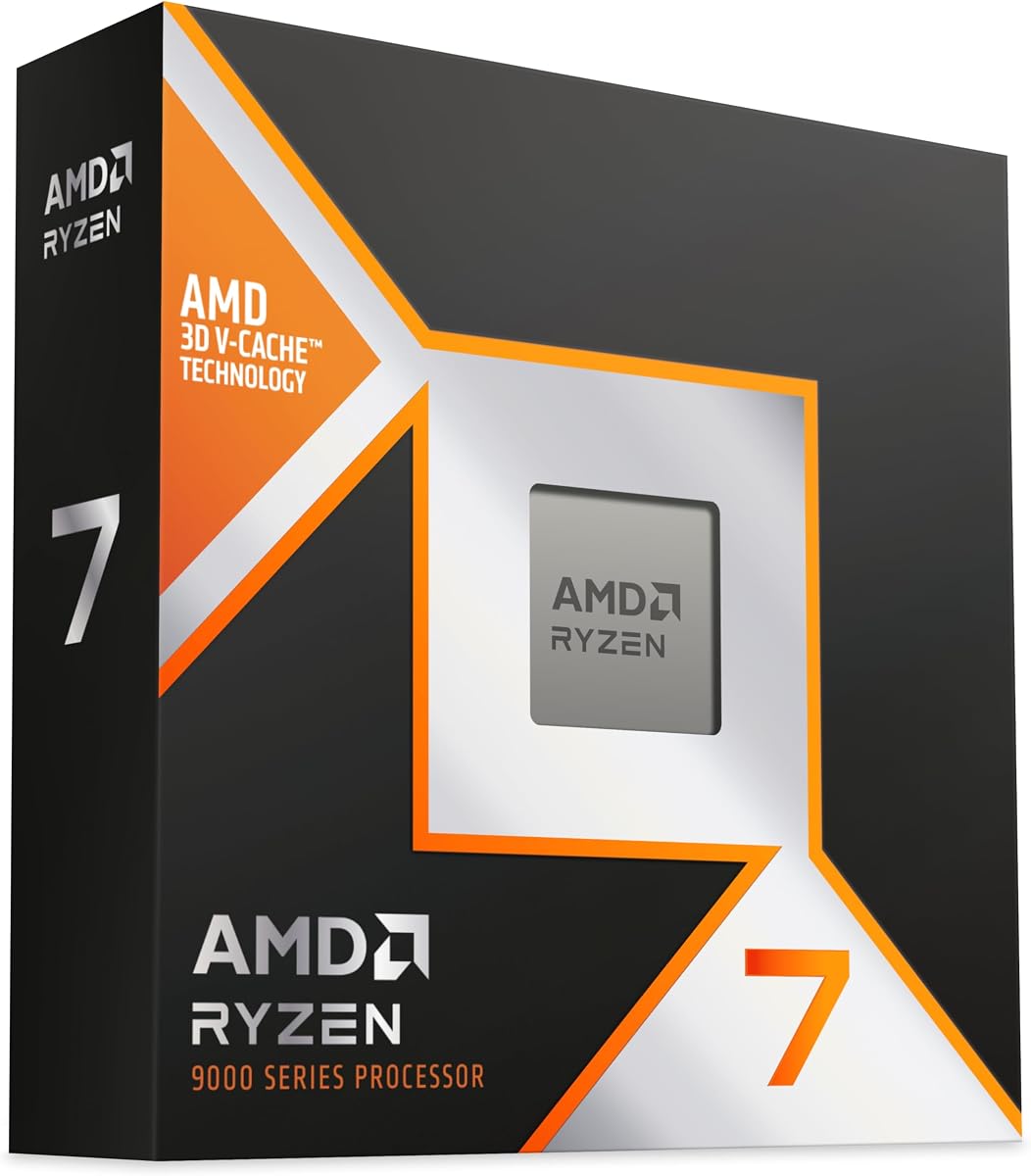
The AMD Ryzen 7 9800X3D offers 8 cores and 16 threads with Zen 5 technology, rated 4.8. It features a massive 96MB L3 cache for better thermal performance and higher clock speeds. This processor is built for efficiency and speed.
We may earn a commission when you buy through this link, at no additional cost to you.
The 3D V-Cache allows for improved system performance in data-heavy tasks. It drops in easily on AM5 infrastructure, making upgrades straightforward. Boost clocks reach up to 5.2 GHz, delivering rapid responsiveness.
While core count is lower, the cache advantage makes it a strong performer. It is ideal for applications where latency matters. However, note that a separate cooler is required for installation.
Buyers needing high single-threaded performance will appreciate this model. It works well for ML workflows where cache is a bottleneck. For those wanting a compact and efficient solution, this is a great choice.
The 96MB L3 cache ensures faster data access, reducing latency during intensive processing tasks.
Zen 5 technology combined with V-Cache delivers significant IPC uplift for better overall performance.
We may earn a commission when you buy through this link, at no additional cost to you.
The Intel Core i9-14900K offers up to 6.0 GHz clock speed, rated 4.2. With 24 cores and 32 threads, it delivers raw performance for demanding games and work. It supports both DDR4 and DDR5 for platform flexibility.
We may earn a commission when you buy through this link, at no additional cost to you.
This processor is ideal for users needing extreme clock speeds. It allows for rapid responsiveness in interactive tasks. The compatibility with 600/700 series motherboards ensures broad adoption across existing systems.
High clock speeds come with power demands, so thermal management is essential. However, the performance benefits are significant for compute-heavy applications. It is a trusted option within the Intel ecosystem.
Developers prioritizing single-core speed will find this useful. It complements GPU-accelerated workflows well. For those seeking maximum frequency, this model remains a top contender.
Reaching up to 6.0 GHz ensures the fastest possible execution for latency-sensitive operations.
Support for both DDR4 and DDR5 memory allows for easier upgrades and broader system compatibility.
We may earn a commission when you buy through this link, at no additional cost to you.
The AMD Ryzen 7 9850X3D is an 8-core processor based on Zen 5 architecture, rated 4.8. It is optimized for high performance on the AM5 socket. This design ensures efficient operation and compatibility with modern motherboards.
We may earn a commission when you buy through this link, at no additional cost to you.
This processor leverages 3D V-Cache for improved efficiency in demanding tasks. It is a solid choice for users wanting a balance of power and efficiency. The AM5 socket ensures future-proofing for your system.
With limited detailed specs available, it remains a strong contender in the Ryzen lineup. It offers significant improvements over previous generations. Users should expect high performance in gaming and productivity scenarios.
For those needing a reliable desktop processor, this fits well. It is a great choice for upgrading existing AM5 systems. If you prioritize efficiency and performance, this model delivers.
Built on Zen 5 architecture, this processor delivers improved IPC and efficiency for demanding tasks.
AM5 socket readiness ensures seamless integration with current and future motherboard upgrades.
We may earn a commission when you buy through this link, at no additional cost to you.
The AMD Ryzen 7 7800X3D provides 8 cores and 16 threads with 96MB L3 cache, rated 4.8. It uses 5nm process technology for reliable performance. It includes Radeon Graphics for seamless output.
We may earn a commission when you buy through this link, at no additional cost to you.
This processor ensures fast execution of tasks with maximum efficiency. The high cache allows for quick data access during computation. It is a dependable choice for users prioritizing stability and speed.
While it features an older architecture compared to Zen 5, it remains a powerful tool. Its reliability makes it suitable for daily workloads. The integrated graphics offer convenience without a separate GPU.
Buyers seeking value and performance will find this appealing. It handles multitasking with great reliability. For those needing a stable platform, this processor offers consistent results.
The 96MB L3 cache memory enables excellent hit rates for quick and efficient data retrieval.
5nm process technology ensures maximum productivity and power efficiency during intensive tasks.
We may earn a commission when you buy through this link, at no additional cost to you.
Choosing the right CPU involves balancing core count, cache, and specialized AI features. This guide explains the key factors to consider for your machine learning projects.
Higher core counts allow for parallel processing of data and model training tasks. Look for at least 12 cores for substantial machine learning workloads to ensure efficiency.
Prioritize processors with high thread counts to handle multitasking and complex computations smoothly.
Memory bandwidth is critical for transferring large datasets quickly during training. Ensure your CPU supports high-speed DDR5 memory for better performance.
Large unified memory pools allow you to run larger models locally without relying on cloud resources.
Cache acts as high-speed memory for the processor to store frequently used data. A larger L3 cache reduces latency and improves overall performance in repetitive tasks.
Look for processors with significant cache sizes to enhance data retrieval speeds.
Dedicated Neural Processing Units (NPUs) accelerate AI inference and specific machine learning tasks. Systems with NPUs provide better performance for local AI development.
If you focus on AI inference, choose a CPU with integrated NPUs or dedicated AI acceleration features.
Modern architectures like Zen 5 or Intel Core Ultra improve performance per watt. Efficient designs reduce heat generation and power consumption during long training sessions.
Opt for newer architectures to ensure better thermal efficiency and long-term reliability.
Ensure the CPU supports the necessary software stack like ROCm or CUDA. Compatibility with your preferred frameworks is crucial for seamless deployment.
Choose platforms that offer robust software support for your specific development needs.
Balance your budget with the expected return on investment. Premium models offer enterprise-grade features but require significant investment.
Select a processor that aligns with your project scale and financial constraints.
Select a CPU with a socket that allows for future upgrades. Platforms like AM5 offer long-term support for new generations of processors.
Consider the longevity of the platform when making your purchase decision.
Install the CPU on a compatible motherboard with proper thermal paste application. Ensure the cooling system is mounted securely to prevent overheating during intense workloads.
Configure the BIOS settings to enable XMP or EXPO profiles for optimal memory performance. Update your drivers and BIOS to the latest versions for stability and security.
Regularly clean dust from heatsinks and fans to maintain efficient airflow. Monitor temperatures using system tools to ensure the CPU operates within safe limits.
A suitable CPU offers high core counts for parallel processing and large cache for data handling. Specialized features like NPUs accelerate AI tasks. High-speed memory support is also critical for performance.
Yes, with processors featuring 128GB unified memory or similar high capacity. You can run models up to 200 billion parameters locally without cloud dependency.
Linux provides robust support for frameworks like ROCm and CUDA. It offers better resource management for server-like workloads. Many enterprise tools are optimized for Linux environments.
Most high-performance CPUs do not include a dedicated cooler. You will need to purchase a separate cooling solution to ensure stable thermal performance during heavy use.
AM5 and modern Intel sockets offer the best longevity. AM5 supports future upgrades easily. Ensure your motherboard matches your CPU socket for compatibility.
Memory bandwidth determines how fast data moves between memory and the CPU. Higher bandwidth reduces bottlenecks during large dataset processing. Look for DDR5 support for better rates.
Modern gaming CPUs often share cores with ML workloads. However, specialized AI features might be limited. High core counts and cache are key indicators of suitability.
Training requires significant compute power to build models. Inference involves running existing models for predictions. Training demands more resources, while inference benefits from optimized latency.
Our top picks include the AMD Ryzen AI Halo for local development and NVIDIA DGX Spark for enterprise performance. These models offer unmatched features for specific workflows.
Prioritize memory bandwidth and core counts based on your specific needs. For budget-conscious buyers, the AMD Ryzen 9 9900X offers strong value.
Always check current prices and availability before purchasing. Prices vary over time, so verify listings for the best deal on your chosen model.