
G-PLUG 15FT RG8X Coaxial Cable
4.5Editor score
Pure copper core for signal
Double shielding reduces interference
Weather-resistant PVC jacket
This guide compares the top ten coax cables for ham radio focusing on signal loss durability and connector quality to help you choose the best option.
Choosing the right coax cable is essential for ham radio operators who need reliable signal transmission. A good cable minimizes loss and ensures your antenna performs at its peak regardless of frequency bands.
We compared ten highly rated options based on construction quality connector durability and signal performance. Our analysis focuses on real user feedback and technical specifications to help you make an informed decision.
Each pick highlights key strengths like low loss shielding and weather resistance. Prices fluctuate frequently so check current listings before purchasing to ensure you get the best deal available today.
4.5Editor score

4.7Editor score
4.7Editor score
This side-by-side comparison outlines the key specifications and strengths of each cable to help you identify the best fit for your specific setup and budget needs.


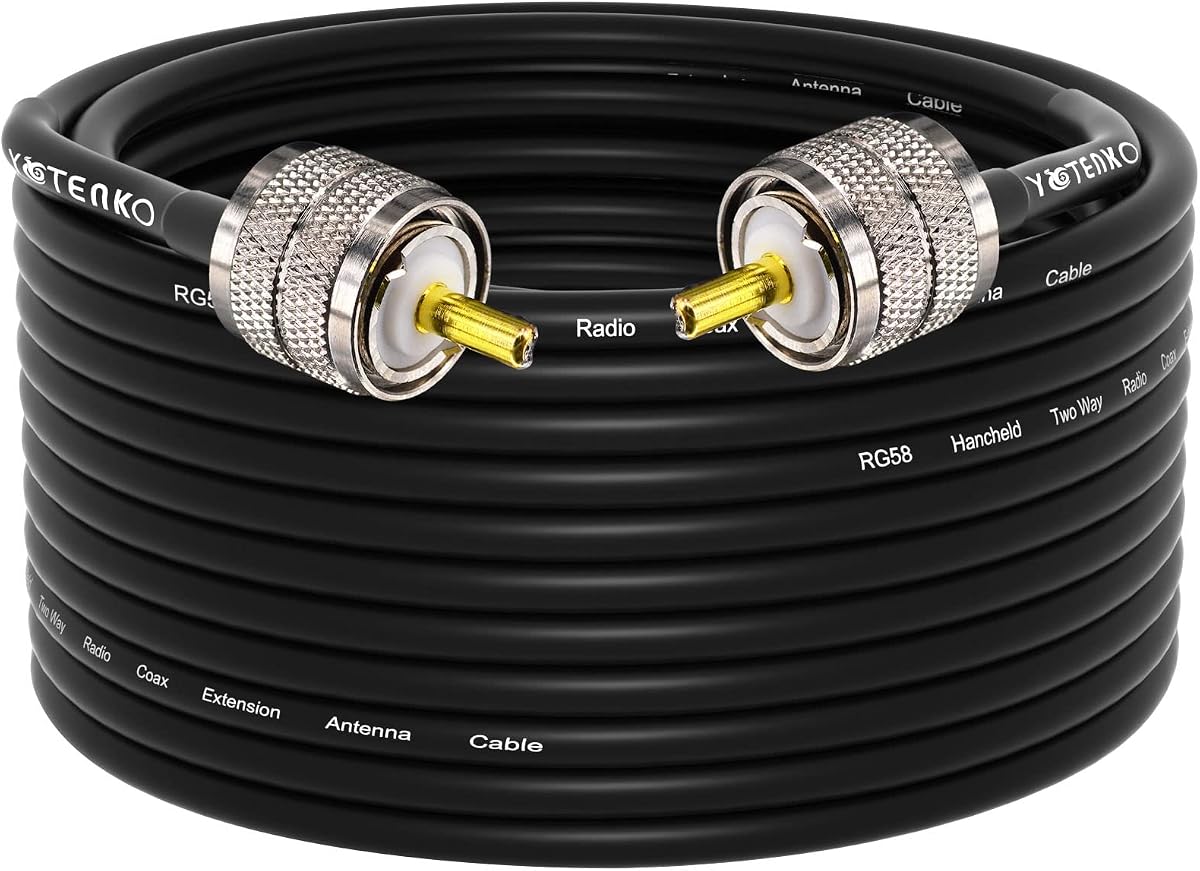

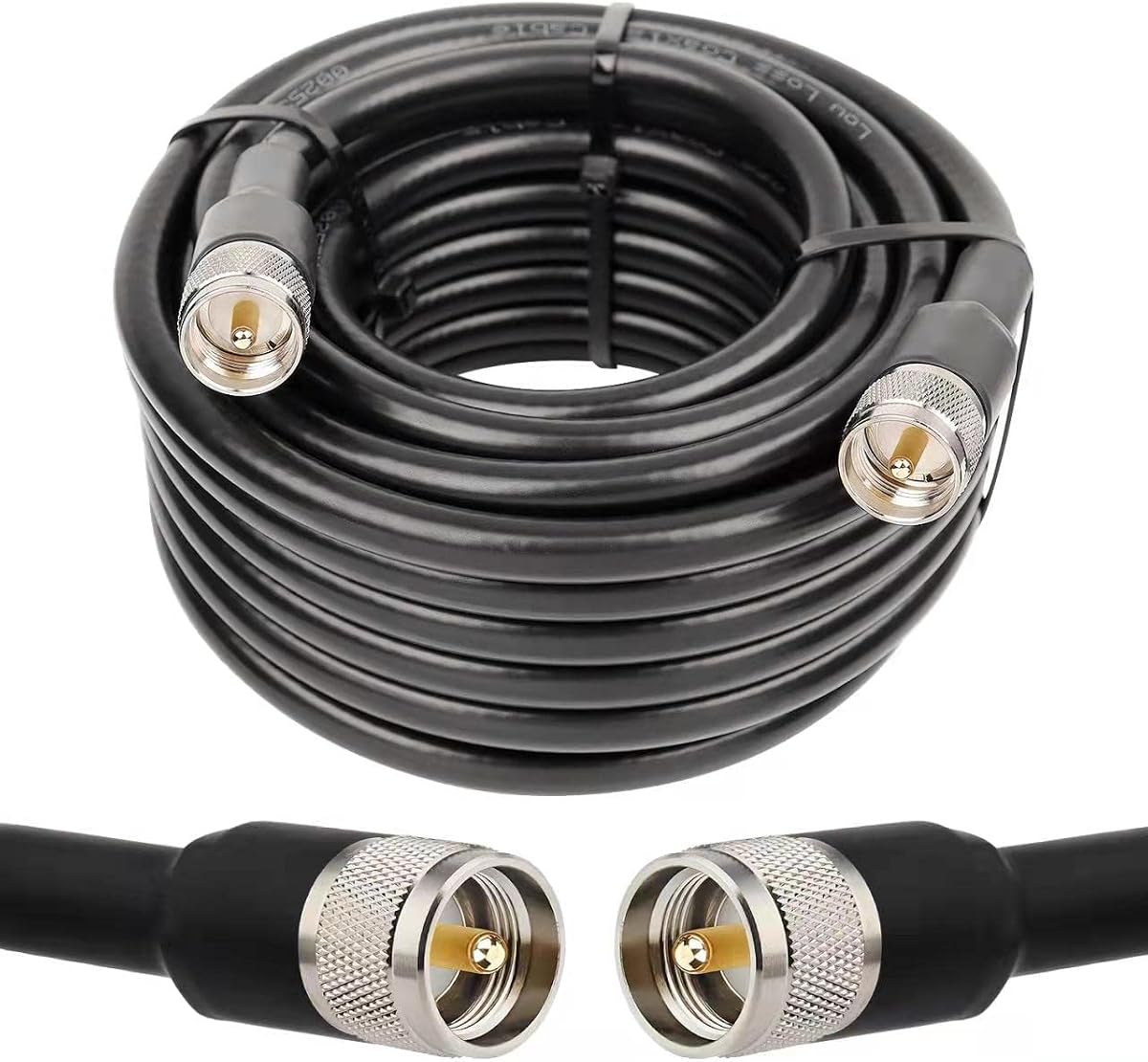

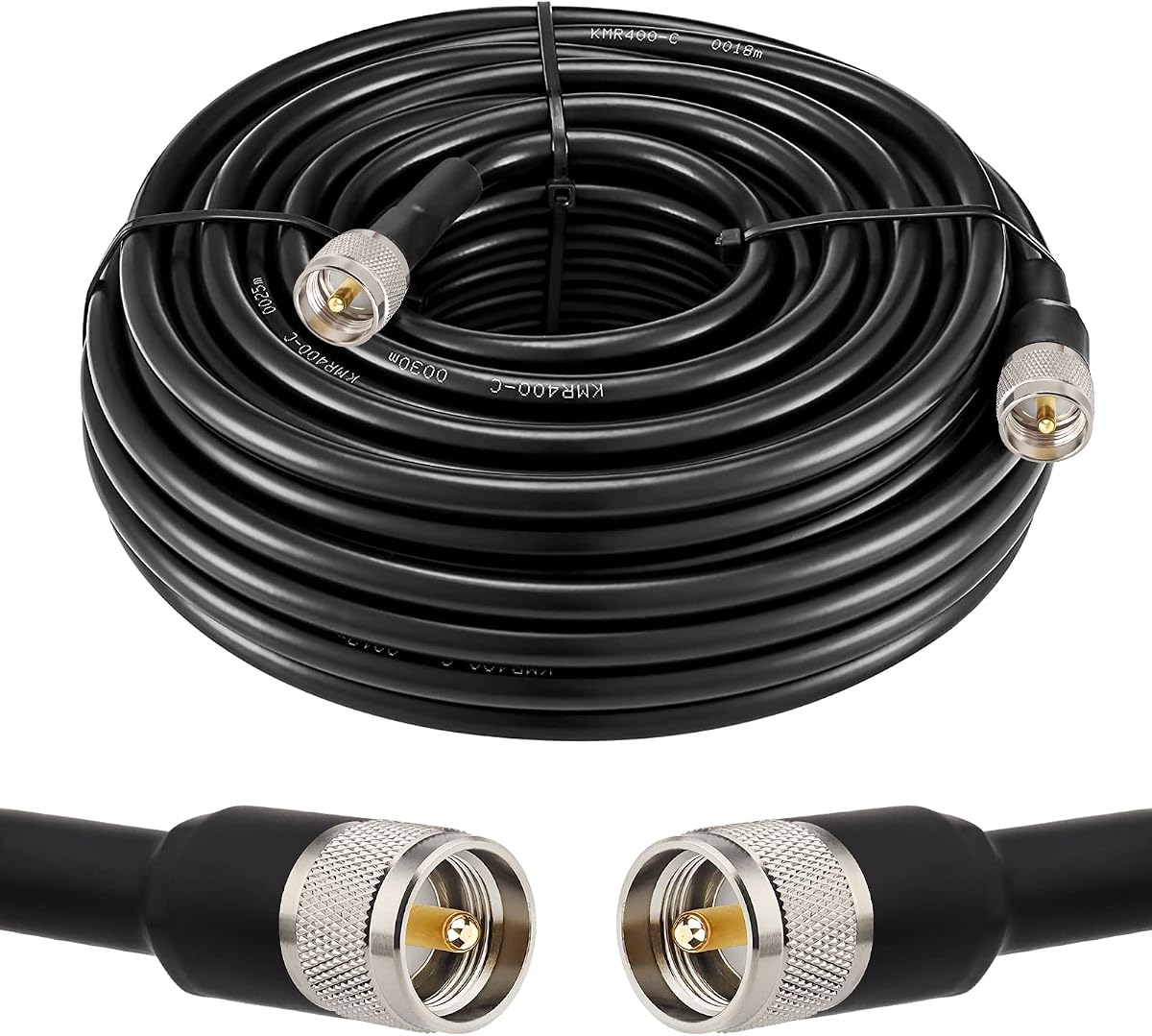
This cable stands out for its remarkably low signal loss at high frequencies making it a top choice for serious operators. It holds a high rating for its ability to maintain signal integrity over long runs.
We may earn a commission when you buy through this link, at no additional cost to you.
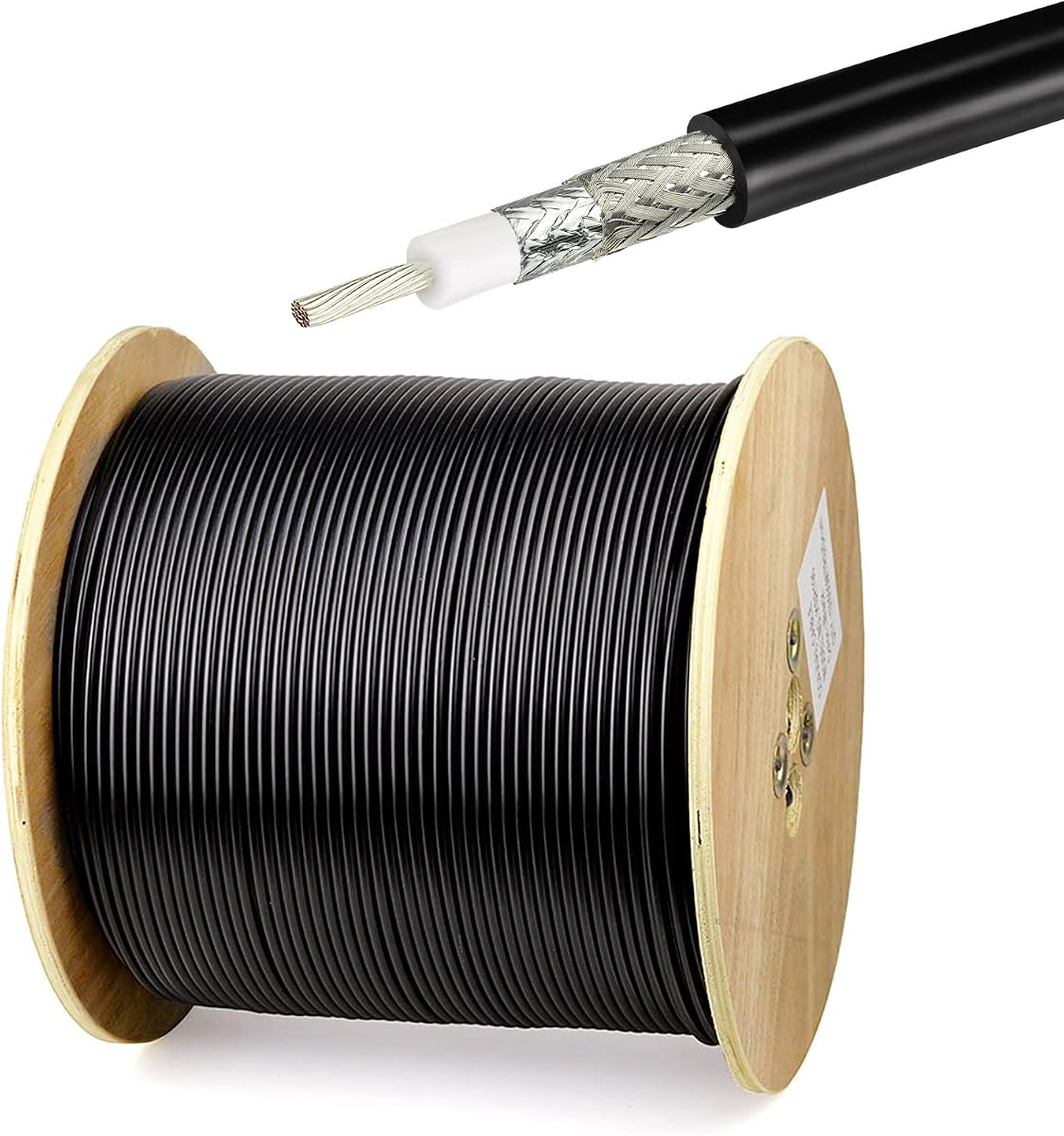
The construction features a copper clad aluminum inner conductor paired with aluminum foil and tinned copper braid for maximum protection. This structure resists oxidation and ensures reliable signal transmission over large distances.
While it is a bit more expensive than basic options the durability and performance justify the cost for most users. The adhesive-lined heat shrink tube prevents connector pullout which is a common failure point.
If you need a cable that performs well in demanding environments this model delivers consistent results. It is highly recommended for anyone prioritizing signal quality and long-term reliability.
The cable maintains signal strength even at 450MHz ensuring your transmissions reach the antenna without degradation.
The built-in adhesive heat shrink creates a professional seal that prevents moisture entry and connector loosening.
We may earn a commission when you buy through this link, at no additional cost to you.
The STEREN RG8X offers a solid balance of quality and value for radio enthusiasts. It is built to withstand elements which makes it ideal for both indoor and outdoor installations.
We may earn a commission when you buy through this link, at no additional cost to you.
Its fully molded PL259 connectors are nickel-plated to prevent corrosion and ensure a reliable connection over time. The cable is also flexible enough to route through vehicles without damaging the signal.
While it does not have advanced shielding like premium models it performs well for standard applications. Users appreciate its ability to handle high-powered setups without issues.
This cable is a reliable choice for those looking for a durable option without breaking the bank. It suits base stations and mobile setups equally well.
The sturdy PVC jacket ensures the cable survives harsh conditions without degrading signal quality.
Molded connectors protect the connection points from physical damage and oxidation.
We may earn a commission when you buy through this link, at no additional cost to you.
XRDS offers a premium cable with a large center conductor that supports better signal retention than standard options. It is designed for extreme conditions ensuring longevity for outdoor installations.
We may earn a commission when you buy through this link, at no additional cost to you.
The connectors feature a clamp design rather than crimp which prevents them from coming off easily. This construction detail adds significant value for users who frequently move or adjust their antennas.
While the price is higher the durability and performance make it a smart investment for long-term setups. The UV proof jacket is built to withstand years of exposure to harsh elements.
If you need a cable that will last decades in the open this is the top choice. It excels in reliability and signal quality.
The larger diameter cable allows for better performance with minimal signal loss over long runs.
Clamp connectors provide a stronger mechanical bond than standard crimp types.
We may earn a commission when you buy through this link, at no additional cost to you.
This cable offers excellent performance with low loss specs that rival higher priced models. It is well constructed with clamp connectors that ensure a secure connection for your radio gear.
We may earn a commission when you buy through this link, at no additional cost to you.
The adhesive lined heat shrink provides extra protection against moisture and physical stress at the connector end. This feature prevents water ingress and keeps the cable durable in outdoor environments.
While it is not the thinnest cable it is flexible enough for most standard installations. The clamp design connectors are more reliable than crimp types which can loosen over time.
It is a solid choice for CB and VHF users who want reliable signal quality without spending a fortune. The build quality matches its performance ratings.
Clamp connectors offer a robust mechanical bond that resists accidental disconnection.
The adhesive heat shrink seals the connector from water and contaminants.
We may earn a commission when you buy through this link, at no additional cost to you.
G-PLUG provides an affordable solution for operators who need short runs without compromising on signal quality. It features a pure copper core and low-loss design suitable for CB and HAM setups.
We may earn a commission when you buy through this link, at no additional cost to you.
The dual shielding minimizes signal leakage and external interference ensuring cleaner reception. Gold-plated pins help prevent oxidation which maintains reliable connections over time.
While limited to fifteen feet it is perfect for indoor stations or short outdoor runs. The flexible jacket makes it easy to route through tight spaces.
This is an excellent budget option for those who do not need long distance cables. It offers solid performance at a very competitive price point.
Ideal for connecting mobile or indoor units where long distances are not needed.
Dual shielding ensures your signal remains clear even in noisy electronic environments.
We may earn a commission when you buy through this link, at no additional cost to you.
Superbat is a manufacturer focused on RF solutions offering this reliable RG8x cable with low SWR. It is waterproof and bendable which makes it suitable for diverse installation scenarios.
We may earn a commission when you buy through this link, at no additional cost to you.
The cable supports multiple connector types including N and TNC making it versatile for different setups. Its waterproof jacket ensures it can be used outdoors without degradation.
Users appreciate the ability to request custom lengths if the standard fifty feet does not fit their needs. This flexibility is rare in mass-market options.
It is a great choice for users who need specific connections or lengths. The consistent quality and low loss specs ensure reliable transmission.
The cable works with various connector types allowing easy integration with existing gear.
Contacting the manufacturer allows for tailored lengths to fit exact routing needs.
We may earn a commission when you buy through this link, at no additional cost to you.
This RG8x option is a reliable standard for high-powered applications and general HAM radio use. Its pure copper inner conductor and double shielding help prevent signal leakage and interference.
We may earn a commission when you buy through this link, at no additional cost to you.
The fully molded nickel-plated brass connectors ensure a secure connection that is durable in various conditions. The cable is waterproof and flexible enough for both indoor and outdoor installations.
It is stronger and more durable than average CB antenna cables making it a good choice for rugged use. While not the thickest it offers solid protection for your signals.
If you need a dependable fifty foot cable for high power this is a solid choice. It delivers consistent results without unexpected issues.
Double shielding keeps external interference out and your transmission clear.
Nickel-plated brass connectors resist corrosion for long-term reliability.
We may earn a commission when you buy through this link, at no additional cost to you.
RG58 is ideal for mobile setups due to its ultra-flexible design and thin diameter. It easily passes through window frames and tight conduits making it perfect for cars and RVs.
We may earn a commission when you buy through this link, at no additional cost to you.
The cable uses real bare copper shielding instead of cheaper clad aluminum which ensures effective interference rejection. A six centimeter heat shrink provides extra strain relief to prevent connection failure.
While it has higher loss than RG8 for high frequencies it is optimized for HF and VHF bands. The lightweight nature prevents signal pinching during temporary field setups.
This is the best choice for mobile stations where flexibility is key. Its reliability and design make it a staple for handheld and vehicle radio users.
The thin diameter allows you to run cables through narrow spaces without damage.
Extended heat shrink tubing protects the connector from bending stress.
We may earn a commission when you buy through this link, at no additional cost to you.
RG-316 is a miniature coax ideal for tight spaces and specialized interconnections. Its thin and flexible design allows for easy routing in complex setups where standard cables fail.
We may earn a commission when you buy through this link, at no additional cost to you.
The cable features silver plated copper for the core and braid ensuring very low signal loss. A flexible teflon jacket allows it to function in harsh environments for long periods.
It is suitable for high frequencies up to six gigahertz making it versatile for modern applications. The stranded core is lightweight which makes it easy to handle.
If you need a cable for compact setups or specific antennas this is the top choice. It offers precision and flexibility for demanding technical requirements.
The tiny diameter makes it perfect for confined spaces or portable devices.
It handles frequencies up to six gigahertz ensuring clear transmission for modern gear.
We may earn a commission when you buy through this link, at no additional cost to you.
exgoofit provides a long hundred foot run with solid performance for outdoor and indoor setups. The cable uses nineteen strand pure copper for the inner conductor ensuring reliable transmission.
We may earn a commission when you buy through this link, at no additional cost to you.
Double shielding helps prevent signal leakage and interference which maintains connection stability. The jacket is waterproof and flexible allowing for installation in diverse conditions.
A two-year warranty adds peace of mind for those investing in longer cable runs. It is a practical solution for connecting distant antennas to base stations.
This is an excellent value for operators needing significant length without excessive cost. It balances performance and durability effectively for long setups.
The hundred foot length allows you to place antennas further from the radio station.
Nineteen strand copper ensures better flexibility and conductivity than solid alternatives.
We may earn a commission when you buy through this link, at no additional cost to you.
Selecting the right cable requires understanding key factors like loss shielding and durability to match your specific radio and antenna setup.
RG58 is thinner and flexible ideal for mobile setups but has higher loss over long distances. RG8X offers better shielding and lower loss making it suitable for base stations and longer runs. KMR400 provides even lower loss and better weather resistance for high-performance outdoor use.
Choose RG8X or larger for base stations and RG58 for mobile where flexibility matters most.
Double shielding is standard for preventing external interference and signal leakage. Look for cables that specify low loss in decibels at your operating frequencies to ensure your signal reaches the antenna effectively. Higher quality cables often use copper clad aluminum or pure copper for better conductivity.
Prioritize cables with explicit low loss specs for your intended frequency bands.
Connectors should be made of brass or nickel-plated to resist corrosion and ensure a tight fit. Heat shrink tubes with adhesive provide extra protection against moisture and prevent the connector from pulling out of the cable over time. Poor connectors can cause intermittent signals or total connection failure.
Ensure connectors are secure with moisture sealing features for long-term reliability.
The outer jacket must be durable and weather resistant for outdoor installations. PVC is common but UV proof and waterproof materials extend the life of the cable when exposed to sunlight and rain. Flexible jackets make it easier to route cables through tight spaces without kinking.
Look for waterproof UV resistant jackets for any outdoor deployment.
Cable length directly affects signal loss so only buy what you need to connect your equipment. Longer runs require thicker cables to maintain signal integrity over distance. Consider your specific setup distance and plan for extra length for routing bends.
Avoid overly long cables as they increase signal loss unnecessarily.
Most radio systems use 50 ohm impedance so ensure the cable matches this value. Using mismatched cables can result in poor SWR readings and signal reflection reducing your transmission efficiency. Always verify the impedance specification before purchase to match your equipment.
Always choose 50 ohm cables for standard radio and antenna systems.
A good warranty indicates manufacturer confidence in the product quality. Two-year or longer warranties provide protection against defects and ensure you can get a replacement if issues arise. Check vendor support policies to ensure you can resolve potential issues quickly.
Prefer vendors offering clear warranties for peace of mind.
Higher cost cables often offer better materials and durability but basic options work well for short runs. Balance your budget with the performance you need for your specific application. For critical long-distance runs investing in quality pays off in signal performance.
Choose quality materials for long runs but basic ones for short needs.
Install your coax cable with gentle bends to avoid damaging the internal structure. Avoid sharp kinks which can alter impedance and cause signal loss. Route cables away from high heat sources or sharp metal edges.
Secure the connectors tightly to the radio and antenna using proper wrenches without overtightening. Overtightening can strip threads or damage the connector body. Regularly check connections for looseness due to vibration or wind.
Protect outdoor sections with waterproof tape or heat shrink to extend the life of the cable. Inspect the jacket for cracks or wear regularly especially after harsh weather. Replace damaged sections promptly to maintain signal integrity.
RG58 is thinner and more flexible making it ideal for mobile setups but it has higher signal loss over distance. RG8X is thicker with better shielding and lower loss making it better for base stations and longer runs. Choose based on your installation distance and flexibility needs.
Most HAM radios use PL259 connectors so ensure your cable matches that standard. If you need other connectors like N or SMA check your equipment manual. Adapters are available but direct connectors provide better signal integrity.
You should use cables with waterproof UV resistant jackets for outdoor use. Even with these protections sealing connectors with tape or adhesive heat shrink prevents moisture from entering. Proper sealing ensures the cable lasts years in harsh weather.
Every foot of cable introduces some signal loss which becomes significant over long distances. Thicker cables like KMR400 reduce this loss compared to RG58. Choose the shortest effective length for your setup to maintain transmission efficiency.
Inspect your cable every few months or after severe weather events. Look for cracks in the jacket corrosion on connectors or signs of wear. Regular checks prevent sudden failures during important transmissions or emergencies.
Pure copper has better conductivity and flexibility making it more durable over time. Copper clad aluminum is lighter and cheaper but may oxidize faster. For long-term reliability pure copper is generally preferred for indoor and critical setups.
Our top picks cover different needs from budget short runs to premium long-distance performance. Whether you choose RG8X for durability or KMR400 for low loss each option has been selected for quality.
Prioritize signal loss and connector quality for your specific setup to ensure reliable transmissions. Matching the cable to your environment whether mobile or base station is essential for long term performance.
Check current prices before buying as listings change frequently and promotions may offer better value. Ensuring you get the right cable for your needs will enhance your overall HAM experience.