
Berkeley Varitronics Octopus 4G LTE
4.6Editor score
True RSRP measurements
No SIM cards required
Supports all US carriers
Designed in the USA
Finding the right cellular signal meter for antenna aiming is essential for anyone looking to optimize their wireless connectivity. Whether you are installing a booster or setting up a remote antenna, the correct tool ensures you get the strongest possible signal for your needs.
We have carefully evaluated ten different devices to determine which ones offer the best performance and reliability. Our comparison focuses on accuracy, ease of use, and the specific frequency bands each meter supports to ensure you can find the perfect match for your project.
Each pick in this list highlights key features and real-world performance metrics to help you make an informed decision. Please note that prices and availability can change frequently, so always check the latest details before making your final purchase decision online.
4.6Editor score

4.3Editor score

3.9Editor score
As an Amazon Associate we earn from qualifying purchases.
The following table provides a side-by-side comparison of all ten products we reviewed to help you quickly identify the key specifications and features that matter most to your specific antenna aiming needs.


The SureCall Five-Band RF Signal Meter is a top choice for anyone needing a reliable tool for antenna aiming and booster installation. It offers excellent coverage across five critical frequency bands including PCS, Cellular, AWS, and LTE, making it versatile for most modern networks.
We may earn a commission when you buy through this link, at no additional cost to you.
Its high receiving sensitivity of -110dBm ensures that you can detect even the weakest signals, which is crucial for optimizing antenna placement. The rechargeable design and controllable backlight make it convenient to use in various lighting conditions and settings.
While it may require some manual adjustments and does not support every possible band, these trade-offs are acceptable given its focused performance. The device is straightforward to operate and provides clear readings that help you make informed decisions quickly.
If you are looking for a dependable and affordable solution for your cellular signal needs, this meter is highly recommended. It strikes a great balance between functionality and ease of use, making it suitable for both beginners and experienced installers.
This meter supports five different bands including PCS, Cellular, AWS, and two LTE ranges, ensuring comprehensive coverage for most network types.
With a sensitivity of -110dBm, this device can detect weak signals that other meters might miss, helping you find the best antenna position.
We may earn a commission when you buy through this link, at no additional cost to you.
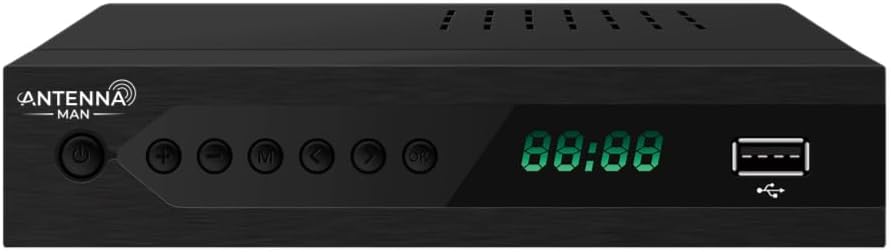
The Antenna Man Signal Meter is primarily designed for ATSC digital signals, making it a great option if you are focused on television antenna aiming rather than cellular networks. It provides real-time signal strength feedback which helps in fine-tuning your antenna for the best reception.
We may earn a commission when you buy through this link, at no additional cost to you.
This device features a plug-and-play setup that makes it incredibly easy to use even for those without technical expertise. The inclusion of a TV tuner and recording capability adds extra value for users who want more than just signal measurement.
However, since it is tailored for TV frequencies it may not be suitable for cellular signal meter applications where precise RF measurements are required. The accuracy is good for general tuning but lacks the granularity of dedicated RF meters.
For homeowners looking to improve their TV reception without breaking the bank this is a solid choice. It offers essential features at a budget-friendly price and simplifies the process of finding the optimal antenna angle for clear broadcasts.
This meter requires no complex configuration and works right out of the box making it accessible for users of all skill levels.
Instant signal strength updates allow you to adjust your antenna quickly and see the results immediately without delays.
We may earn a commission when you buy through this link, at no additional cost to you.
The Berkeley Varitronics Octopus 4G LTE is a professional-grade device designed for precise cellular signal measurement in environments like EV charging stations and IoT installations. It delivers true RSRP RSRQ and RSSI measurements which are critical for advanced network optimization.
We may earn a commission when you buy through this link, at no additional cost to you.
Unlike many other meters this device does not require a SIM card phone or app to function allowing it to work independently across all major US carriers. This feature ensures consistent performance regardless of the network provider you are targeting.
While the high price might be a barrier for casual users the precision and reliability it offers are unmatched in the market. It is an investment for professionals who need accurate data to ensure their systems are operating at peak efficiency.
If you require a trusted and robust tool for serious cellular signal meter work this meter is the top recommendation. Its quality and support make it worth the cost for those who depend on accurate signal readings for critical applications.
True RSRP RSRQ and RSSI measurements provide detailed insights into signal quality beyond simple strength indicators.
Supports all US regional carriers without needing a SIM card making it versatile for various network environments.
We may earn a commission when you buy through this link, at no additional cost to you.
The RF Explorer Pro Spectrum Analyzer is a powerful tool for engineers and RF professionals who need detailed spectrum analysis. It covers a wide range from 15MHz to 6.1GHz and features an 8-inch HD touchscreen that provides clear visualization of signals.
We may earn a commission when you buy through this link, at no additional cost to you.
This device includes a tracking generator and advanced tools like Zero Span and Waterfall modes which are essential for complex RF testing and interference analysis. The connectivity options allow for easy data transfer and integration with other systems.
However the interface may be complex for beginners and the device can be somewhat heavy for portable field work. It is designed more for professional environments where precision and comprehensive analysis are more important than portability.
For those who need to perform detailed signal analysis and diagnostics this analyzer is a top-tier choice. It offers the tools and clarity needed to handle challenging RF environments with confidence and accuracy.
Covers 15MHz to 6.1GHz allowing for analysis of a broad spectrum of signals and potential interference sources.
Built-in tracking generator supports frequency response measurements for filters and amplifiers enhancing diagnostic capabilities.
We may earn a commission when you buy through this link, at no additional cost to you.
The NetAlly AirCheck G3 Pro Kit is designed for advanced Wi-Fi 6/6E testing and troubleshooting. It includes a full tri-band kit with an external directional antenna and spectrum analyzer which makes it powerful for verifying network performance.
We may earn a commission when you buy through this link, at no additional cost to you.
This kit supports physical location detection and remote collaboration features allowing engineers to troubleshoot issues from different locations. It integrates well with network management systems providing centralized data management and automatic topology mapping.
While it is excellent for Wi-Fi specific tasks it may not be the right tool for general cellular signal meter work. The price reflects its specialized capabilities and robust support making it a premium option for network professionals.
If you are focused on ensuring high performance for Wi-Fi networks this kit is the best choice available. It provides the tools and support needed to validate and maintain critical network services efficiently.
Full tri-band physical location detection helps identify Wi-Fi access points across 2.4GHz 5GHz and 6GHz bands.
AirMapper Site Survey enables remote engineers to collaborate with on-site technicians solving problems faster.
We may earn a commission when you buy through this link, at no additional cost to you.
The Extech 480836 RF EMF Strength Meter is ideal for measuring high frequency electromagnetic fields. It covers a range from 50MHz to 3.5GHz and features a triaxial probe for non-directional measurements which is useful for environmental monitoring.
We may earn a commission when you buy through this link, at no additional cost to you.
This device allows manual store and recall of up to 99 sets of data making it easy to track changes over time. It is suitable for measuring mobile phones base stations and microwave leakage providing broad coverage for EMF assessments.
While it is great for EMF purposes it is not optimized for specific cellular network tuning like RSRP measurements. The functionality is straightforward but lacks advanced features for detailed cellular signal analysis.
For users needing to measure general EMF levels this meter is a reliable tool. It offers accurate readings and convenient data storage helping you assess RF exposure in various environments.
Triaxial probe ensures isotropic measurements capturing signals from all directions accurately.
Manual store and recall of up to 99 sets allows for easy comparison of measurement results over time.
We may earn a commission when you buy through this link, at no additional cost to you.
The MINI1300 Antenna Analyzer is a compact device designed for HF VHF and UHF antenna tuning. It offers a large 4.3 inch LCD touchscreen and covers a wide frequency range from 0.1 to 1300MHz making it versatile for amateur radio users.
We may earn a commission when you buy through this link, at no additional cost to you.
This meter supports single point measurement scanning and TDR mode allowing for detailed analysis of antenna performance. The ability to measure SWR accurately helps you tune your antennas for optimal efficiency across different bands.
One limitation is that the firmware cannot be updated which means you are stuck with the original features. Additionally it does not support cellular bands so it is best for radio applications rather than cellular signal meter work.
For ham radio enthusiasts this analyzer is a powerful and portable tool for tuning antennas. It provides clear readings and intuitive controls helping you achieve the best possible performance for your radio setup.
Scanning mode allows you to sweep frequencies continuously for a full view of antenna performance across bands.
Time Domain Reflectometry mode helps identify faults in cables and connections quickly and accurately.
We may earn a commission when you buy through this link, at no additional cost to you.
The SA6 6GHz Portable Spectrum Analyzer is a handheld device designed for field testing of wireless signals. It supports a broad frequency range from 35 to 6200MHz and includes a built-in signal generator for versatile RF testing.
We may earn a commission when you buy through this link, at no additional cost to you.
This meter features a 3.2 inch touchscreen for easy operation and is lightweight making it comfortable for extended field use. The USB Type-C port allows for connectivity to PCs enabling real-time logging and data analysis.
While it covers cellular bands like 4G and LTE it is more suited for general RF testing rather than precise signal aiming. The portable design is a major plus for technicians working on-site with various devices.
For hobbyists and technicians needing a versatile handheld tool this analyzer is a strong option. It combines spectrum analysis with signal generation capabilities in a compact package that is easy to carry.
Built-in generator allows for frequency response measurements of filters and amplifiers without extra equipment.
Weighing only 380g this analyzer is easy to carry for on-site testing and prolonged use.
We may earn a commission when you buy through this link, at no additional cost to you.
The For Sa6 6GHz Handheld is an affordable spectrum analyzer that supports common wireless technologies including WiFi and LTE. It features a rugged design and includes accessories like extension cables and a stylus to get you started quickly.
We may earn a commission when you buy through this link, at no additional cost to you.
This device offers a fast full-span scan which allows for rapid assessment of the RF environment. The integrated tracking generator supports characterization of passive components which adds value for basic RF diagnostics.
Since it is a budget option the build quality may vary and documentation can be limited. It is best for those who need a cost-effective tool for general signal evaluation rather than professional grade precision.
For technicians on a budget this analyzer provides essential features without a high price tag. It is a practical choice for quick signal assessments and troubleshooting in various field environments.
Delivers stable output from -15 to +25 dBm for characterizing filters and amplifiers easily.
Compact and lightweight housing is built to withstand use in tight spaces and rough conditions.
We may earn a commission when you buy through this link, at no additional cost to you.
The Channel Master TV Antenna Signal Strength Meter is designed for precise OTA antenna alignment and installation. It displays both RF signal level and signal to noise ratio making it easy to judge signal quality visually.
We may earn a commission when you buy through this link, at no additional cost to you.
This device features a color touch screen and a built-in rechargeable battery ensuring convenience during installation. The inclusion of a stylus and protective carrying case adds value and protects the device during transport.
While it is optimized for TV frequencies and may not offer the precision needed for cellular signal meter tasks it is excellent for home broadcast antenna setups. The simple interface makes it accessible for users of any skill level.
For those needing a reliable tool to set up their TV antenna this meter is an affordable and effective solution. It provides the necessary information to align your antenna for the best possible over-the-air reception.
Displays signal to noise ratio which helps determine signal quality beyond just strength levels.
Built-in rechargeable battery ensures you can use the device for extended periods without needing replacements.
We may earn a commission when you buy through this link, at no additional cost to you.
Selecting the right cellular signal meter involves evaluating several factors that affect performance and usability for your specific needs.
Ensure the meter supports the frequency bands you are targeting such as LTE PCS or AWS. A meter that covers more bands offers greater flexibility for different carriers and networks.
Look for wideband devices that include 4G and 5G support if you need future-proofing for evolving networks.
Higher sensitivity allows the meter to detect weaker signals which is crucial for finding optimal antenna positions. Professional grade devices often provide metrics like RSRP and RSSI for better precision.
Choose a device with at least -110dBm sensitivity for reliable readings in most environments.
A clear display such as a touchscreen or large LCD helps you see signal values easily in various lighting conditions. Touchscreens offer intuitive navigation but physical buttons can be better in gloves or harsh weather.
Prioritize meters with bright readable screens and straightforward menus to speed up your setup process.
Rechargeable batteries are convenient for prolonged use without the need for constant replacements. Check the battery life to ensure it meets your typical usage duration especially for field work.
Opt for meters with long battery life or quick charging capabilities to minimize downtime during testing.
For field applications a lightweight and compact design makes the meter easier to carry and use on the go. Rugged builds protect the device from drops and environmental conditions.
Choose a device that fits comfortably in your hand and includes a carrying case for safe transport.
Features like data logging spectrum analysis or directional antenna support add value depending on your needs. These can help you track changes over time or perform deeper signal diagnostics.
Consider whether advanced features are necessary for your work to avoid paying for unnecessary functions.
Set a budget that balances cost with the required features and accuracy. Sometimes spending a bit more upfront on a reliable meter saves time and money in the long run.
Compare models based on what they offer within your price range to find the best overall value.
Good customer support and a solid warranty can protect your investment if issues arise with the device. Check for available software updates or accessories that extend the product's lifespan.
Choose brands with a reputation for reliability to ensure help is available when you need it.
To get started connect your antenna to the meter and power on the device. Ensure that the battery is charged or the device is plugged in for consistent performance during your measurements.
Select the correct frequency band on the meter and point the antenna toward the expected signal source. Watch the signal strength values closely and adjust the antenna angle slightly to find the peak reading.
After using the device turn it off and store it in a protective case to prevent damage. Keep the device away from extreme temperatures and clean the display regularly to maintain accurate readings.
The most important factor is frequency band support since the meter must align with the bands you are targeting. Accuracy and sensitivity are also critical to ensure reliable readings that help you optimize your antenna position effectively.
Most meters work with various antenna types but you need to match the connector types and frequency bands. Some meters are designed for specific applications like TV or cellular so check compatibility before purchasing.
Calibration depends on usage frequency but it is recommended to calibrate every few months or if you notice inaccurate readings. Following the manufacturer's guidelines ensures your meter continues to perform accurately over time.
Signal strength measures the power of the received signal while quality metrics like SNR indicate how clean the signal is. Both are important because a strong signal with poor quality may still result in slow performance.
Many models are designed with simple interfaces and plug-and-play features that make them beginner friendly. However professional grade meters may require some technical knowledge to interpret detailed readings accurately.
Yes most standalone meters do not require internet connectivity to measure signal strength. They operate independently so you can use them in remote areas where internet access is limited or unavailable.
In most countries you do not need a license to operate a passive signal meter since it only receives signals. However always check local regulations if the device includes a signal generator that transmits frequencies.
If your meter shows no signal check the antenna connections and ensure you are in an area with coverage. Try adjusting the antenna direction or using a different band to see if the meter detects any activity.
The top picks in this guide offer reliable options for improving your signal optimization efforts whether you are looking for budget friendly or professional grade tools.
When choosing a meter prioritize the frequency bands and accuracy that match your needs to ensure you get the most value from your investment.
Remember that prices and availability can change so always verify the latest details before buying to make the best decision for your setup.