
Focusrite Scarlett Solo 4th Gen
4.6Editor score
Improved Air mode for vocals
Industry leading software included
Simple plug and play setup
This guide compares the best audio interfaces with built in Dsp for recording mixing and streaming offering real time effects and low latency monitoring
Audio interfaces with built in Dsp allow musicians and creators to process sound in real time without taxing their computer processor. These devices feature onboard chips that handle effects compression and EQ so you can hear your finished sound while recording.
We evaluated ten top models based on their Dsp capabilities input quality connectivity and software ecosystems. Our analysis covers budget friendly options to high end studio units ensuring you find the right tool for your workflow.
Each pick highlights key strengths and ideal use cases to help you decide quickly. Remember that prices and availability can change so verify current details before purchasing your next interface.
4.6Editor score

4.5Editor score
4.7Editor score
The following table provides a side by side overview of all ten interfaces to help you compare specifications at a glance.




The Universal Audio Apollo Twin X DUO Gen 2 stands out as the top choice for producers seeking professional Dsp capabilities. With a rating of 4.5 stars it offers analog tone emulation that feels authentic and responsive.
We may earn a commission when you buy through this link, at no additional cost to you.
Its Unison preamps let you record through emulations of classic hardware like Neve and API in realtime. This means you can commit to your sound at the source without relying on CPU intensive plugins during mixing.
While the price point is high the investment pays off in sound quality and workflow efficiency. The Auto Gain feature ensures optimal levels quickly and the Sonarworks correction helps you mix accurately in any room.
This interface is ideal for serious musicians and mixers who need top tier conversion and effects. It delivers a polished sound right out of the box making it a worthy upgrade for home studios.
Unison technology allows Dsp and preamp interaction for authentic tone shaping during tracking.
Access over 200 UAD plugins including award winners like Capitol Chambers and Distressor.
We may earn a commission when you buy through this link, at no additional cost to you.
The Focusrite Scarlett Solo 4th Gen delivers studio quality sound at a budget friendly price. It scores 4.6 stars for its simplicity and performance making it perfect for songwriters starting out.
We may earn a commission when you buy through this link, at no additional cost to you.
Air mode adds harmonic drive and presence to vocals and guitars without needing external processing. The large dynamic range ensures clean recordings even with loud sources preventing clipping and distortion.
Though it lacks complex Dsp routing the included software suite covers most production needs. Pro Tools Intro and Ableton Live Lite let you create professional tracks immediately upon unboxing.
Buy this if you need a reliable interface for solo projects without breaking the bank. It provides the essentials for high quality recording and a solid foundation for growth.
Enhances top end clarity and adds vintage character to recordings with a simple switch.
Includes major DAWs and effects to get you producing music right away.
We may earn a commission when you buy through this link, at no additional cost to you.
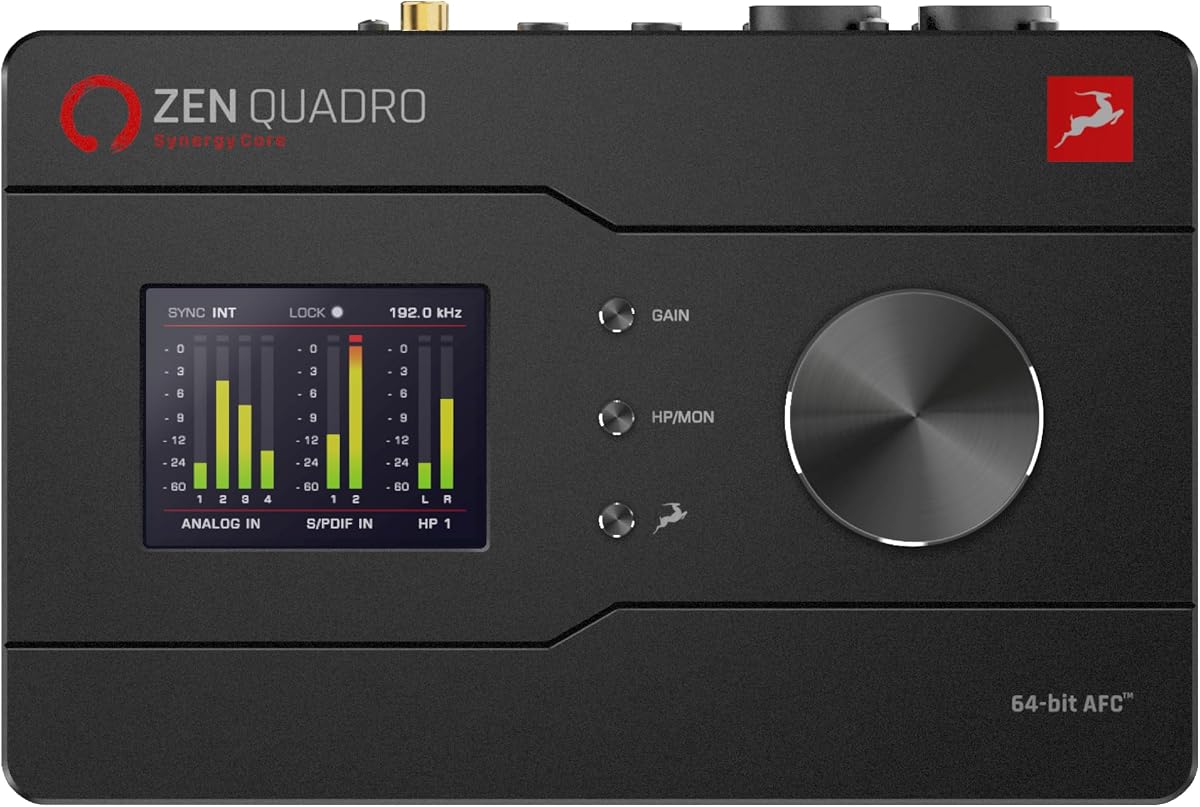
The Antelope Audio Zen Quadro excels with its Synergy Core real time effects powered by dedicated DSP and FPGA hardware. It earns a 4.7 rating for its precision and flexibility in professional environments.
We may earn a commission when you buy through this link, at no additional cost to you.
You can track through compressors EQs and amp models without loading your computer. The 130 dB dynamic range captures subtle details while the dual USB C ports support modern workflows like streaming or mobile recording.
While the setup requires some learning the results are worth the effort. Standalone presets allow quick switching between studio and stage settings making it adaptable for different scenarios.
This interface is best for those who demand top tier audio quality and extensive routing options. It offers a complete solution for serious recording and live performance needs.
Real-time processing with over 37 included effects and 90+ available for endless customization.
64-bit AFC clocking ensures stable timing trusted by Grammy-winning engineers worldwide.
We may earn a commission when you buy through this link, at no additional cost to you.
The Elgato Wave XLR MK.2 is designed with creators and streamers in mind. Its 4.3 rating reflects its ease of use and effective onboard effects for voice processing.
We may earn a commission when you buy through this link, at no additional cost to you.
The Wave Link app allows precise routing of game audio voice and music without external hardware. Touch controls let you adjust levels instantly and LEDs provide immediate feedback on signal status.
While it lacks the expandability of studio units it covers all essentials for content creation. The compressor and EQ help polish your voice so you sound professional on every stream.
Choose this if your priority is streaming and podcasting over music production. It simplifies complex audio mixing into an intuitive interface perfect for busy schedules.
Wave Link software unifies DSP effects and plugins for seamless live performance control.
Physical touch buttons and customizable LEDs make adjustments quick and visual.
We may earn a commission when you buy through this link, at no additional cost to you.
The QUAD Gen 2 offers more DSP power than the DUO version for complex sessions. With a 4.0 rating it suits engineers handling larger projects needing multiple effects simultaneously.
We may earn a commission when you buy through this link, at no additional cost to you.
Its Quad core processor allows running more UAD plugins at once without taxing your CPU. This means you can keep your signal chain rich during recording and mixing stages alike.
The investment is significant but justified for professionals relying on high fidelity and stability. Auto Gain ensures levels are optimal quickly and Sonarworks correction aids accurate monitoring in any space.
This unit is best for those who need extra processing headroom for heavy production work. It maintains the acclaimed sound quality of the Apollo series with enhanced capabilities.
Handles more simultaneous effects and plugins for complex multitrack recording and mixing.
Widest dynamic range and lowest distortion of any Apollo interface for pristine audio.
We may earn a commission when you buy through this link, at no additional cost to you.
The SSL 2 MKII Plus brings legendary console quality to a small bus powered package. It receives 4.7 stars for its robust build and iconic 4K analog enhancement feature.
We may earn a commission when you buy through this link, at no additional cost to you.
This legacy mode adds the warmth and harmonic richness of classic SSL consoles to recordings instantly. The 32-bit converters ensure wide dynamic range and clarity for vocals and instruments.
While it lacks active Dsp processing the sound quality makes up for it. The included software bundle helps you start recording immediately with professional tools.
Ideal for mobile producers who value sonic character and portability. It delivers a professional tone in a footprint that fits easily on any desk.
Emulates SSL console warmth adding harmonic richness to your tracks instantly.
Includes 5-pin DIN jacks for connecting synthesizers and controllers without extra hardware.
We may earn a commission when you buy through this link, at no additional cost to you.
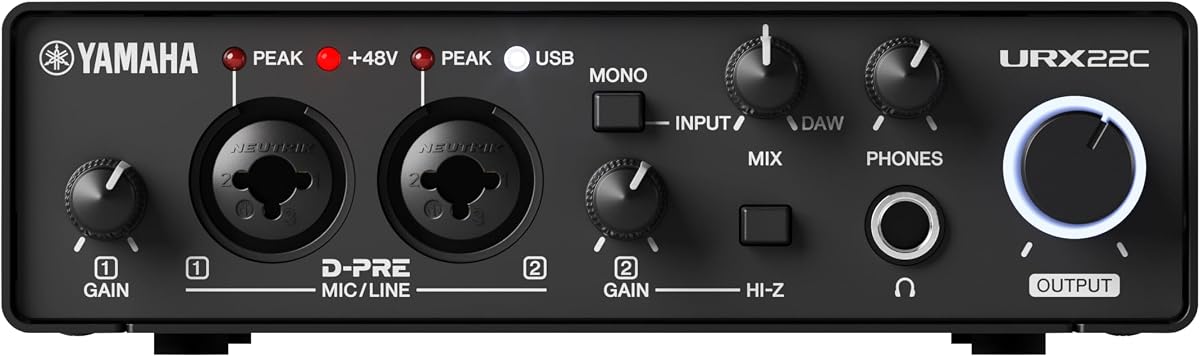
The Yamaha UR22C offers reliable Dsp monitoring and solid build quality for beginners. With a 4.5 rating it balances performance with durability for consistent daily use.
We may earn a commission when you buy through this link, at no additional cost to you.
Its REV-X reverb and Channel Strip allow you to monitor effects without CPU load. The full metal housing ensures it survives travel and daily transport without damage.
The DSP powered monitoring lets you hear processed sound while recording with zero latency. This is crucial for performing naturally while capturing high fidelity audio tracks.
Buy this if you need a sturdy interface with onboard effects for home recording. It provides a professional experience without requiring complex external processing.
Built-in reverb and strip effects reduce CPU load for low latency recording.
Full-metal housing ensures ultimate durability for mobile musicians and producers.
We may earn a commission when you buy through this link, at no additional cost to you.
The MOTU UltraLite-mk5 provides extensive connectivity with 18 inputs and 22 outputs. Its 4.3 rating reflects its suitability for complex setups needing multiple audio sources.
We may earn a commission when you buy through this link, at no additional cost to you.
DSP-driven monitor mixing lets you create unique mixes for any output pair. Onboard effects like reverb and EQ add color without overloading your computer during sessions.
The high-resolution OLED display shows detailed metering for all I/O at a glance. This visibility helps prevent clipping and maintain signal integrity across your entire system.
Choose this for band recordings or live sound where channel count matters. It delivers stability and flexibility for advanced audio engineering tasks.
Create separate mixes for any output pair using onboard DSP for precise monitoring.
High-resolution OLED display lets you view all signal activity at a glance.
We may earn a commission when you buy through this link, at no additional cost to you.
The Yamaha URX22 introduces touchscreen control for intuitive audio management. While rating data is limited its specs suggest strong capabilities for streaming and recording.
We may earn a commission when you buy through this link, at no additional cost to you.
A 4.3 inch touchscreen lets you adjust parameters visually without diving into menus. Dual USB-C ports support multi-stream audio drivers for flexible host connections.
The built-in DSP processor ensures professional sound and latency-free monitoring. With 78 dB of gain it handles dynamic microphones with ease for clear recordings.
This interface suits users who prefer direct visual control over knobs and sliders. It combines modern connectivity with robust sound processing for versatile workflows.
4.3 touchscreen and control knobs provide precise adjustments without software delays.
Dual MAIN/SUB USB ports allow multi-stream connections for diverse setups.
We may earn a commission when you buy through this link, at no additional cost to you.
The Antelope Audio Zenith 2 earns a 4.8 rating for its user-friendly streaming features. Its Synergy Core effects ensure professional sound for podcasting and broadcasting without delay.
We may earn a commission when you buy through this link, at no additional cost to you.
You get two independent headphone outputs allowing separate mixes for host and guest. The Smart Vocal Chain and onboard DSP make voice tracking effortless with zero latency.
Included software like Bitwig Studio adds value making this a complete solution. The colorful display simplifies navigation so you can focus on performance rather than settings.
Best for content creators wanting studio quality with simple operation. It bridges the gap between high-end recording and accessible live streaming tools.
Two headphone outputs with fully independent mixes are perfect for collaboration.
Integrated processing transforms your voice with compression and EQ instantly.
We may earn a commission when you buy through this link, at no additional cost to you.
Selecting the right interface depends on your budget workflow and specific audio needs.
Different brands use varying DSP chips like FPGA or dedicated DSP cores. These determine how many effects you can run simultaneously and how low the latency remains.
Look for interfaces that support real-time processing without stressing your computer for smooth workflows.
Consider how many instruments or microphones you plan to record at once. Some interfaces have only two inputs while others offer expandability via ADAT or S/PDIF.
Choose a model with enough channels now and room to grow later.
Clean gain and low noise floors are crucial for vocals and acoustic instruments. High-end preamps emulate classic analog gear adding warmth and character to recordings.
Prioritize interfaces with high gain ranges if you use dynamic microphones like the SM7B.
Many Dsp interfaces come bundled with DAWs and plugin collections that add significant value. These packages can save you hundreds in additional purchases if you start fresh.
Ensure the software is compatible with your operating system and offers the tools you need.
Check whether the interface uses USB-C Thunderbolt or older USB types. Modern connections offer faster data transfer and lower latency which is vital for Dsp performance.
Confirm your computer has the necessary ports or budget for adapters before buying.
Zero-latency monitoring is key for performers who need to hear effects while recording. Built-in DSP handles this task without relying on the computer buffer settings.
Test the driver stability to ensure no dropouts occur during live sessions.
Some interfaces support additional I/O through optical or digital connections for larger setups. This flexibility allows you to connect external gear without buying a new unit.
Evaluate future needs to avoid outgrowing your current interface too quickly.
Metal housings and durable knobs ensure longevity especially if you transport your gear regularly. Quality construction also reduces noise interference during operation.
Invest in robust units if you plan to take your studio on the road.
Connect the interface to your computer using the recommended cable and install all drivers before launching your DAW.
Configure your software to recognize the DSP inputs and enable zero-latency monitoring to avoid delay during tracking.
Regularly update the firmware and software to keep features current and maintain stable performance over time.
Built in DSP means the interface has onboard processing chips that handle effects and mixing. This allows you to hear processed audio in real time without using your computer's CPU power.
Yes especially if you rely heavily on effects while recording. Dsp ensures low latency monitoring which is essential for performers who need to hear their sound instantly.
Many interfaces allow standalone use of DSP effects even without opening a DAW. This is useful for live performance or direct recording into hardware recorders.
Most do but it is best to check specific driver support. Some high-end models require Thunderbolt which is more common on Macs.
DSP does not degrade quality if the converters are high resolution. In fact it ensures the sound remains pristine by avoiding CPU induced latency issues.
Many include DAWs like Pro Tools or Cubase along with plugin bundles. These are often exclusive to the hardware and add significant value to the purchase.
Use the manufacturer's control software to check for updates. These tools guide you through installing patches to improve stability and add features.
Some DSP systems work with specific plugin formats like UAD or Synergy Core. You may need to use those formats to access onboard hardware features.
We have reviewed ten top options ranging from budget-friendly to professional grade interfaces that deliver exceptional Dsp performance.
Prioritize your specific needs whether it is sound quality portability or software ecosystem before making a final decision.
Prices fluctuate often so check current listings to ensure you get the best deal on your chosen model today.