
AMD RYZEN 7 9800X3D
4.8Editor score
8 cores and 16 threads
96MB L3 cache
Up to 5.2GHz boost speed
This guide compares the top Cpus for Workstations available today helping professionals choose the right processor for their specific workstation needs.
Choosing the right Cpus for Workstations is critical for professionals who rely on heavy computational tasks daily. Whether you are rendering video, modeling 3D scenes, or compiling large codebases, the processor defines your workflow efficiency and overall system capability in modern computing environments.
We compared leading models based on core counts, thread capabilities, cache sizes, and architectural efficiency. Our analysis focuses on real-world performance metrics that matter to creators and engineers ensuring you get reliable power without unnecessary overhead or compatibility issues in your setup.
Each pick in this list highlights unique strengths tailored to different workstation demands and budget levels. Note that availability and pricing can change rapidly so verify current details before purchasing to ensure you get the best value and performance for your specific professional requirements.
4.8Editor score

4.8Editor score

4.6Editor score
This side-by-side comparison details the specifications and strengths of the top ten Cpus for Workstations currently available in the market.


The AMD Ryzen Threadripper PRO 5955WX stands out as a top contender for professional workstation tasks with its 16-core and 32-thread configuration. Users report exceptional performance in rendering and compilation workloads making it a favorite among engineers and content creators.
We may earn a commission when you buy through this link, at no additional cost to you.
Its architecture supports DDR4 3200 memory ensuring fast data throughput for large datasets. The processor delivers consistent clock speeds up to 4 GHz which helps maintain steady performance during extended sessions of heavy computing demands.
While it offers incredible power it does require a compatible workstation motherboard and a robust cooling solution. These requirements add to the initial setup complexity but are justified by the reliability and performance gains for professional environments.
We recommend this processor for users who need a balance of core count and single-thread speed without stepping into extreme server territory. It is an ideal choice for those building high-performance workstations for design software and code development.
Built for enterprise environments this processor ensures long-term stability and support for critical workflows.
With 32 threads you can run multiple heavy applications simultaneously without system slowdowns or crashes.
We may earn a commission when you buy through this link, at no additional cost to you.
The AMD Ryzen Threadripper PRO 3975WX is designed for users who demand maximum parallel processing power for their workstations. It features 32 cores and 64 threads which is rare in consumer grade hardware and essential for complex simulations.
We may earn a commission when you buy through this link, at no additional cost to you.
Its 144MB cache and 128 PCIe lanes provide unparalleled bandwidth for data-intensive tasks like 3D modeling and video editing. This allows for smoother timelines and faster render times compared to processors with fewer lanes or cache resources.
However the high performance comes with a high 280W TDP which necessitates a powerful cooling solution and compatible power supply. Users must plan their build carefully to handle the thermal output and ensure stable operation under load.
This processor is best suited for studios or engineering firms where render time directly impacts productivity and revenue. If your workflow benefits from massive parallelism this CPU delivers the raw horsepower needed to get jobs done faster.
The extensive PCIe lane count allows for multiple high-speed GPUs and storage devices without bottlenecks.
Built-in protection features help safeguard sensitive professional data stored or processed on the system.
We may earn a commission when you buy through this link, at no additional cost to you.
The AMD RYZEN 7 9800X3D offers a unique blend of gaming speed and workstation capability at a competitive price point. It features 8 cores and 16 threads which is sufficient for many creative tasks and general professional use.
We may earn a commission when you buy through this link, at no additional cost to you.
Its standout feature is the 96MB L3 cache which significantly boosts performance in applications that rely on quick data access. This architecture allows for clock speeds up to 5.2GHz ensuring rapid execution of single-threaded tasks.
While it has fewer cores than the Threadripper models it excels in scenarios where single-thread speed is critical. The AM5 socket also provides a path for future upgrades allowing you to keep the motherboard for several years.
This processor is ideal for professionals who also game or need fast responsiveness without needing massive parallel processing. It delivers a high performance per dollar ratio making it a smart choice for budget-conscious workstation builds.
The 3D V-Cache improves frame rates and application responsiveness by reducing memory latency significantly.
Support for the AM5 socket ensures you can upgrade to newer CPUs without replacing your entire system.
We may earn a commission when you buy through this link, at no additional cost to you.
The AMD Ryzen Threadripper 9960X represents the latest generation of high-performance desktop processors for workstations. Users praise its refined architecture which balances high core counts with improved efficiency compared to previous models.
We may earn a commission when you buy through this link, at no additional cost to you.
This CPU is part of the 9000 series offering significant upgrades in instructions per cycle and thermal performance. It is designed to handle demanding applications like CAD software and video production with ease and reliability.
The 5.0 rating indicates strong satisfaction among users who value stability and speed in their professional workflows. It avoids some of the power pitfalls of older generations while still delivering robust performance for multi-tasking environments.
This processor is best for those building new high-end systems who want the latest technology and longevity. It fits well into professional setups where uptime and performance consistency are more important than initial cost savings.
The new architecture offers noticeable improvements in efficiency over previous Threadripper models.
Optimized for desktop environments it delivers performance without the overhead of server-grade features.
We may earn a commission when you buy through this link, at no additional cost to you.
The Intel Core Ultra 9 Processor 285K introduces a hybrid architecture that combines performance and efficiency cores for optimal workload management. It features 24 cores including 8 P-cores and 16 E-cores which handle different tasks efficiently.
We may earn a commission when you buy through this link, at no additional cost to you.
With clock speeds up to 5.7 GHz it delivers top-tier performance for single-threaded applications like many design tools. The integrated graphics also support basic visual tasks reducing the need for a dedicated card in some cases.
Users appreciate the improved efficiency which allows the system to run cooler and quieter under load. However the hybrid design can sometimes require tuning to ensure background tasks use the right cores for best results.
This processor is perfect for professionals who need fast response times and efficient power usage in a single package. It is a strong choice for those transitioning to newer hardware standards who want premium performance today.
Separating P and E cores allows better handling of background tasks without slowing active work.
The architecture improves power delivery reducing heat output while maintaining high performance levels.
We may earn a commission when you buy through this link, at no additional cost to you.
The AMD Ryzen 5 9600X is an excellent entry-level option for those needing workstation capabilities without the premium price tag. It offers 6 cores and 12 threads which are sufficient for moderate multitasking and general professional use.
We may earn a commission when you buy through this link, at no additional cost to you.
With a max boost of 5.4 GHz it delivers responsive performance for applications that do not rely heavily on parallel processing. The support for DDR5-5600 memory ensures it can handle modern system requirements effectively and quickly.
Users report smooth performance in popular games and daily workflows making it a versatile choice for hybrid usage. The unlocked multiplier also allows enthusiasts to push performance further if cooling permits without replacing the CPU.
This processor is best for small business setups or students who need reliability and speed but have budget constraints. It provides a solid foundation for a workstation that can handle essential tasks without breaking the bank.
High boost clocks ensure that single-threaded tasks like opening apps remain fast and fluid.
Capable of over 100 FPS in popular titles it serves well for leisure after work hours.
We may earn a commission when you buy through this link, at no additional cost to you.
The AMD Ryzen 7 7800X3D is known for its dependable execution of tasks with maximum efficiency making it a reliable workstation choice. It features 8 cores and 16 threads built on advanced 5 nm process technology for better thermal performance.
We may earn a commission when you buy through this link, at no additional cost to you.
Its 96 MB L3 cache improves system performance by allowing high hit rates in short access time. This architecture ensures that data is retrieved quickly which benefits tasks like data analysis and coding compilation.
Operating at a 4.20 GHz clock speed it offers a balance between sustained performance and heat management. Users find it easy to manage thermally which helps in maintaining stability during long work sessions without throttling.
This processor is a great all-rounder for professionals who need a stable and efficient system for daily tasks. It is particularly suitable for those who value reliability and consistent performance over extreme peak speeds.
The 5 nm process helps keep operating temperatures low which extends the lifespan of the system.
Fast instruction execution ensures that complex software runs smoothly without lag or delays.
We may earn a commission when you buy through this link, at no additional cost to you.
The Intel Core i9-14900K targets enthusiasts who want the highest possible clock speeds for responsive workflows. It delivers up to 6.0 GHz which gives smoother game play and rapid responsiveness for interactive professional software.
We may earn a commission when you buy through this link, at no additional cost to you.
With 24 cores and 32 threads it supports heavy multitasking without compromising speed. The integrated Intel UHD Graphics 770 allows for basic display tasks even if the GPU is not used immediately.
Compatibility with both DDR4 and DDR5 platforms gives builders flexibility in choosing memory types. However the high performance comes with significant power requirements and heat generation that must be managed properly.
This processor is ideal for users who prioritize raw speed and responsiveness in their workstation tasks. It is a powerful choice for those who want to push their system to the limit for demanding creative applications.
The 6.0 GHz capability ensures that even the most demanding tasks execute with minimal delay.
Support for different DDR standards makes upgrades easier and more budget-friendly for users.
We may earn a commission when you buy through this link, at no additional cost to you.
The AMD Ryzen Threadripper PRO 9955WX delivers battle-tested performance and capability to enable artists and engineers to get more done in less time. It features 16 cores which provide substantial power for complex engineering and design work.
We may earn a commission when you buy through this link, at no additional cost to you.
This processor is part of the Shimada Peak lineup which emphasizes productivity and capability for professional teams. It is designed to support the rigorous demands of large scale rendering and data processing tasks efficiently.
Users value the ability to handle heavy workloads without downtime which is crucial for business continuity. The PRO series also includes features that help in management and security for larger organizational environments.
This processor is best for businesses that need robust performance across multiple users or heavy individual workstations. It serves as a reliable tool for firms that cannot afford delays in production due to hardware limitations.
The design prioritizes getting tasks completed faster which benefits time-sensitive professional projects.
Battle-tested architecture ensures consistent performance over long periods of continuous operation.
We may earn a commission when you buy through this link, at no additional cost to you.
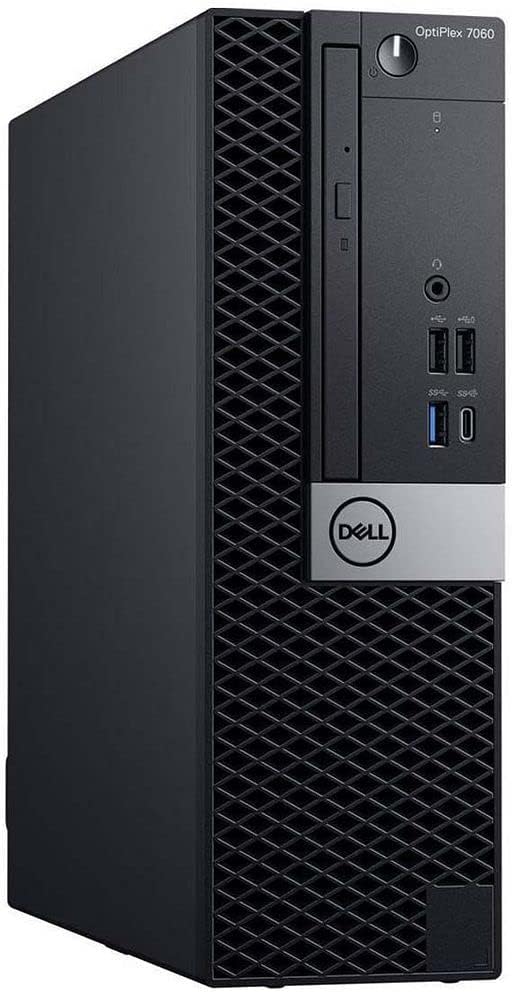
The DELL Optiplex 7060 SFF provides a complete desktop solution with a reliable processor and fast storage for daily productivity. It includes a 6-core i7-8700 processor which enables efficient multitasking for office environments.
We may earn a commission when you buy through this link, at no additional cost to you.
This system comes with 32GB of DDR4 RAM and a 512GB NVMe SSD which ensures quick boot speeds and smooth application transitions. It is ideal for users who need a ready-to-use workstation without assembly hassles.
The small form factor saves space while offering rich ports for dual-monitor connections and USB devices. It serves as a dependable tool for business computing where stability and ease of setup are key priorities.
This desktop is best for small offices or users who need a straightforward and reliable workstation immediately. While the processor is older it remains capable for general office work and professional administrative tasks.
Pre-installed Windows 11 Pro simplifies setup for business users needing professional features.
The NVMe SSD provides fast data access which speeds up file transfers and loading times.
We may earn a commission when you buy through this link, at no additional cost to you.
Selecting the right Cpus for Workstations requires understanding core requirements and hardware constraints.
Core count determines how many tasks a processor can handle simultaneously. For Cpus for Workstations you generally want at least 8 cores to manage rendering or coding efficiently.
More threads allow better multitasking so look for processors with high thread counts for heavy workloads.
Clock speed indicates how fast individual cores operate which affects single-threaded application performance. High speeds ensure responsiveness in design tools or simulations.
A higher boost clock is beneficial for tasks that cannot distribute work across all cores effectively.
Cache memory stores frequently used data for quick access reducing latency during computations. Large caches improve system responsiveness in data-heavy tasks.
Look for CPUs with ample L3 cache to minimize delays when handling large datasets or complex scenes.
TDP measures the power consumption and heat output of a processor which dictates cooling requirements. Higher TDP CPUs need robust cooling to prevent overheating and performance drops.
Choose a cooling solution that matches your CPU TDP to ensure stable operation during long sessions.
Support for faster memory speeds allows quicker data transfer between the CPU and RAM. DDR5 support is becoming standard for new workstations offering better bandwidth.
Ensure the processor supports the memory speed you plan to use for optimal system performance.
PCIe lanes determine how many expansion cards and high-speed storage devices can run at full speed. More lanes are essential for systems with multiple GPUs or NVMe drives.
Check the PCIe lane count if you plan to expand your storage or add multiple GPUs to your setup.
The socket type determines which motherboards your CPU will fit and future upgrade paths. AM5 or LGA1700 sockets offer longer support for new generations.
Verify the socket type before purchasing to ensure you can upgrade components without replacing the motherboard.
Workstation CPUs often include features like error correction and enterprise management tools. These enhance reliability for business environments where downtime is costly.
Consider PRO series processors if you need enterprise-grade security and management features for your business.
Ensure proper cooling is installed and functioning before powering on your new processor to prevent thermal damage. Keep the thermal paste clean and applied evenly for maximum heat transfer efficiency.
Update your motherboard BIOS regularly to maintain compatibility with newer firmware patches and performance optimizations. This ensures that the processor runs at its best without software conflicts or stability issues.
Avoid overclocking beyond recommended limits unless you are experienced with voltage and cooling management. Overclocking can void warranties and damage hardware if done incorrectly on workstation systems.
For video editing look for CPUs with high core counts and strong multi-thread performance like the Threadripper PRO 5955WX. These processors handle rendering and export tasks efficiently allowing smoother timelines and faster processing times.
A workstation CPU helps if you compile large codebases or run virtual machines frequently. Models like the Intel Core Ultra 9 offer enough cores and memory support to keep development environments running smoothly without slowdowns.
More cores allow your computer to perform multiple tasks at once which is vital for heavy multitasking. This means you can run design software and background processes without the system slowing down or freezing unexpectedly.
Cache stores frequently accessed data close to the CPU for rapid retrieval which reduces processing time. Larger cache sizes improve responsiveness in tasks that involve accessing the same data repeatedly during work.
No Threadripper processors require specific workstation motherboards that support their socket and power requirements. Check the motherboard specifications to ensure it supports your chosen CPU before purchasing to avoid compatibility issues.
Yes DDR5 offers higher bandwidth and efficiency which improves data transfer speeds for demanding applications. Workstations benefiting from high memory throughput will see better performance with DDR5 memory configurations.
Higher TDP means more heat is generated requiring more powerful cooling solutions to maintain safe temperatures. Ensure your cooler is rated for your CPU TDP to prevent thermal throttling and system instability during load.
Both brands offer excellent options depending on your specific software and budget. AMD Threadripper provides high core counts while Intel Core Ultra offers strong efficiency and hybrid architecture for varied workloads.
Choosing the right Cpus for Workstations depends on matching your workflow needs with the processor specifications available. Our top picks offer a range of options for different budgets and task requirements.
Prioritize core count and memory support if you handle large datasets or multi-application environments daily. Ensure your cooling and motherboard plan align with your selected CPU for stable long-term performance.
Always verify current pricing and availability before purchasing since hardware markets change rapidly. A proper build ensures your workstation stays productive and reliable for years to come.